RG / Field notes Tucson desert living
Clear notes for
the desert edge.
Practical perspectives on snake awareness, property edges, barrier planning, and the details that shape outdoor living in Southern Arizona.
Browse the collection.
Choose a headline to open the full note. Each article also has its own link for sharing or returning later.
2026
May 13 AwarenessHow to Keep Snakes Out of Your Yard in Tucson
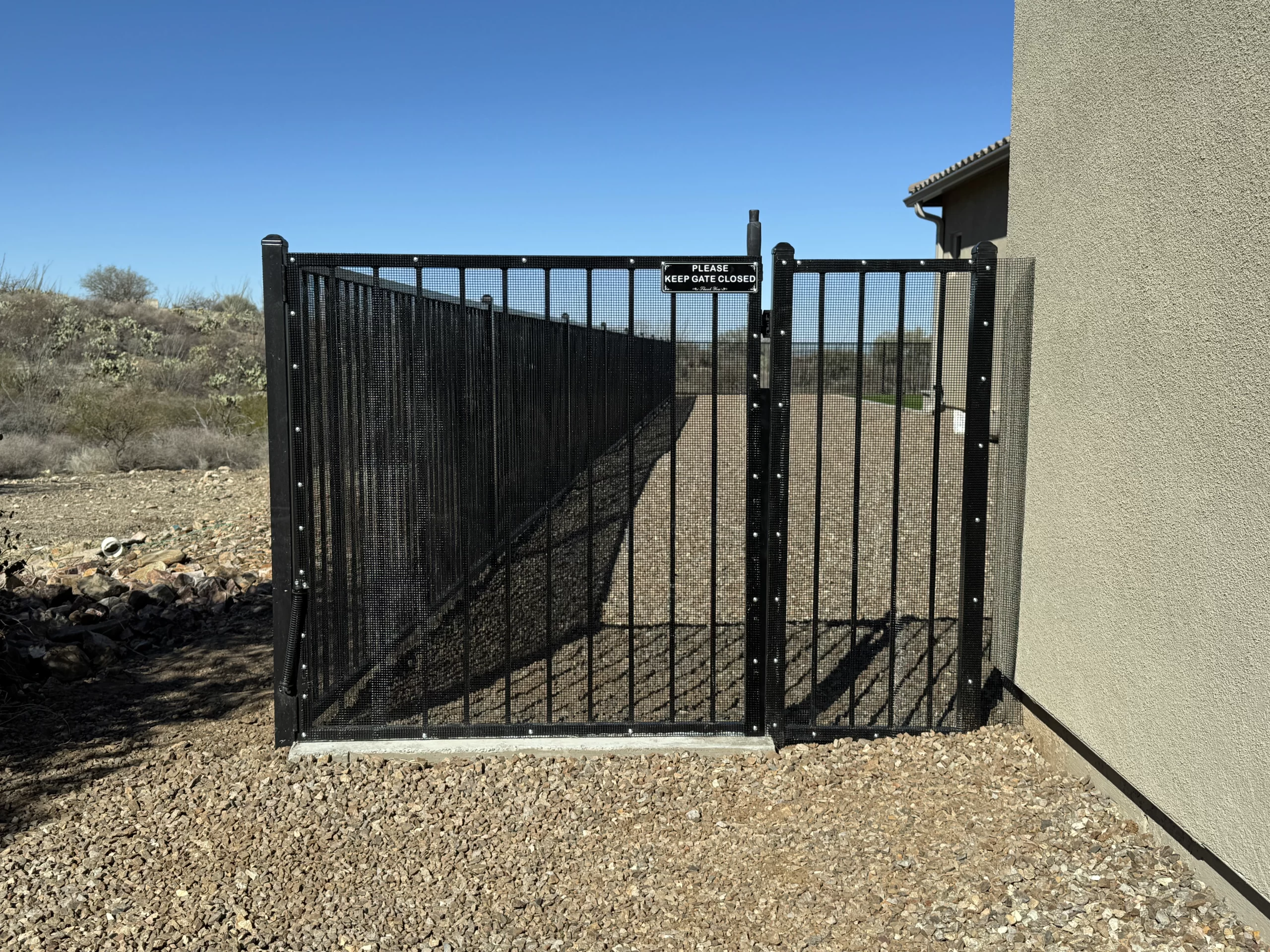
Living in the Sonoran Desert means sharing our landscape with incredible wildlife. While most desert dwellers are welcome guests, many homeowners look for reliable ways to keep rattlesnakes at a distance. If y…
Living in the Sonoran Desert means sharing our landscape with incredible wildlife. While most desert dwellers are welcome guests, many homeowners look for reliable ways to keep rattlesnakes at a distance. If you are wondering how to keep snakes out of your yard in Southern Arizona, the most effective approach combines mindful landscaping with a professional snake barrier.
Creating a less attractive environment for snakes is the first step toward peace of mind. Snakes primarily enter yards in search of three things: food, water, and shelter. By managing these factors, you naturally discourage them from settling near your home.
Practical Landscaping for Desert Homes
Start by thinning out dense vegetation and trimming low-hanging shrubs. Keeping the ground clear under your bushes eliminates the cool, shaded hiding spots that snakes prefer during the heat of the day.
Remove any piles of wood, rocks, or debris near your home’s perimeter. These areas often attract rodents, which serve as the primary food source for rattlesnakes. When you eliminate the “buffet,” the predators are much less likely to visit.
Water Management and Entry Points
Be mindful of standing water or leaky irrigation lines. In our arid climate, even a small puddle can be a major draw for thirsty wildlife.
It is also helpful to seal any gaps under gates or around the foundation of your home. However, even the most meticulous yard maintenance has its limits in open areas like Oro Valley or Sahuarita.
The Value of a Physical Barrier
The only definitive way to ensure snakes stay on the other side of your property line is through a physical barrier. Professional snake fence installation in Arizona provides a permanent, low-maintenance solution that integrates seamlessly with your existing fencing.
At RattleGuard, we specialize in high-quality snake barrier installation in Arizona. Following data from the University of Arizona Extension, we utilize ultra-fine mesh to seal off standard entry gaps. Our custom-fitted mesh is designed to be nearly invisible while blocking even the smallest juvenile rattlesnakes from entering your sanctuary.
By investing in a dedicated barrier, you can enjoy your patio and let your pets roam the yard with confidence. If you are ready to secure your perimeter, visit tucsonsnakefencing.com to learn more about our process. You can also follow our latest projects and desert safety updates on https://www.facebook.com/rattleguard
Also check out:
May 05 AwarenessThe 13 Species of Rattlesnakes in Arizona
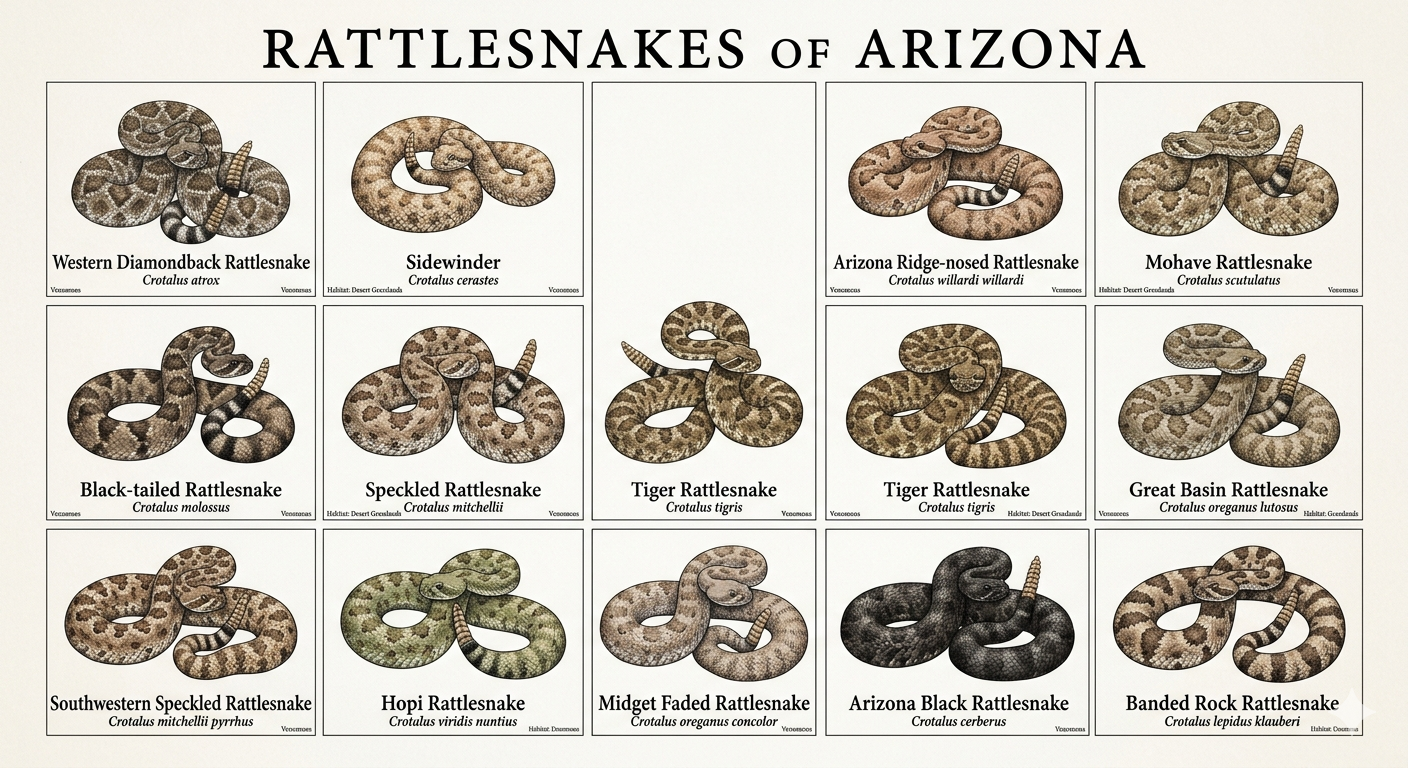
Arizona rattlesnakes are part of everyday desert life. That is especially true for homeowners in Tucson, Oro Valley, Marana, Vail, and Sahuarita. Arizona has 13 species of rattlesnakes, more than any other sta…
Arizona rattlesnakes are part of everyday desert life. That is especially true for homeowners in Tucson, Oro Valley, Marana, Vail, and Sahuarita.
Arizona has 13 species of rattlesnakes, more than any other state. That makes basic awareness and smart home protection an important part of living well in the Sonoran Desert.
Why Arizona Homeowners See So Many Rattlesnakes
Southern Arizona has the habitat rattlesnakes prefer. Rocky ground, open washes, native plants, and shaded hiding spots all make good shelter.
Some species live at higher elevations. Others are more common near neighborhoods, trail corridors, and natural desert edges.
For most homeowners, the exact species is not the main issue. The bigger concern is that rattlesnakes can move through small openings and enter a yard when access points are left open.
The 13 Species Found in Arizona
Arizona’s 13 species include the Western Diamondback, Western Rattlesnake, Black-Tailed, Rock, Twin-Spotted, Ridge-Nosed, Speckled, Tiger, Mohave, Prairie, Massasauga, Sidewinder, and Arizona Black Rattlesnake.
In the Tucson area, homeowners are more likely to hear about the Western Diamondback, Black-Tailed, Mohave, and Sidewinder. That can vary by terrain and location.
Each species plays a role in the desert ecosystem. All deserve space and respect.
What This Means for Homes in Tucson
Most people moving to Southern Arizona want to enjoy their yard. They want to let pets outside and feel comfortable using their outdoor space.
The best approach is not panic. It is prevention.
That means trimming vegetation, reducing hiding spots near the home, and checking gates and fence lines. It also means creating a real physical barrier where needed.
Snake Fencing Is the Long-Term Solution
For homes in Tucson, Oro Valley, Marana, Vail, and Sahuarita, snake fencing is one of the most reliable ways to reduce the chance of rattlesnakes entering the yard.
A properly designed system helps close vulnerable gaps. It can also preserve the look and function of the property.
At RattleGuard, we focus on practical, professional snake fencing built for Arizona homes. If you want to make your yard more secure without changing its character, learn more at RattleGuard.
For local updates and project examples, visit our Facebook page.
Mar 23 AwarenessSnake Season Starting Early in Tucson: Why Homeowners Are Calling for Snake Fencing
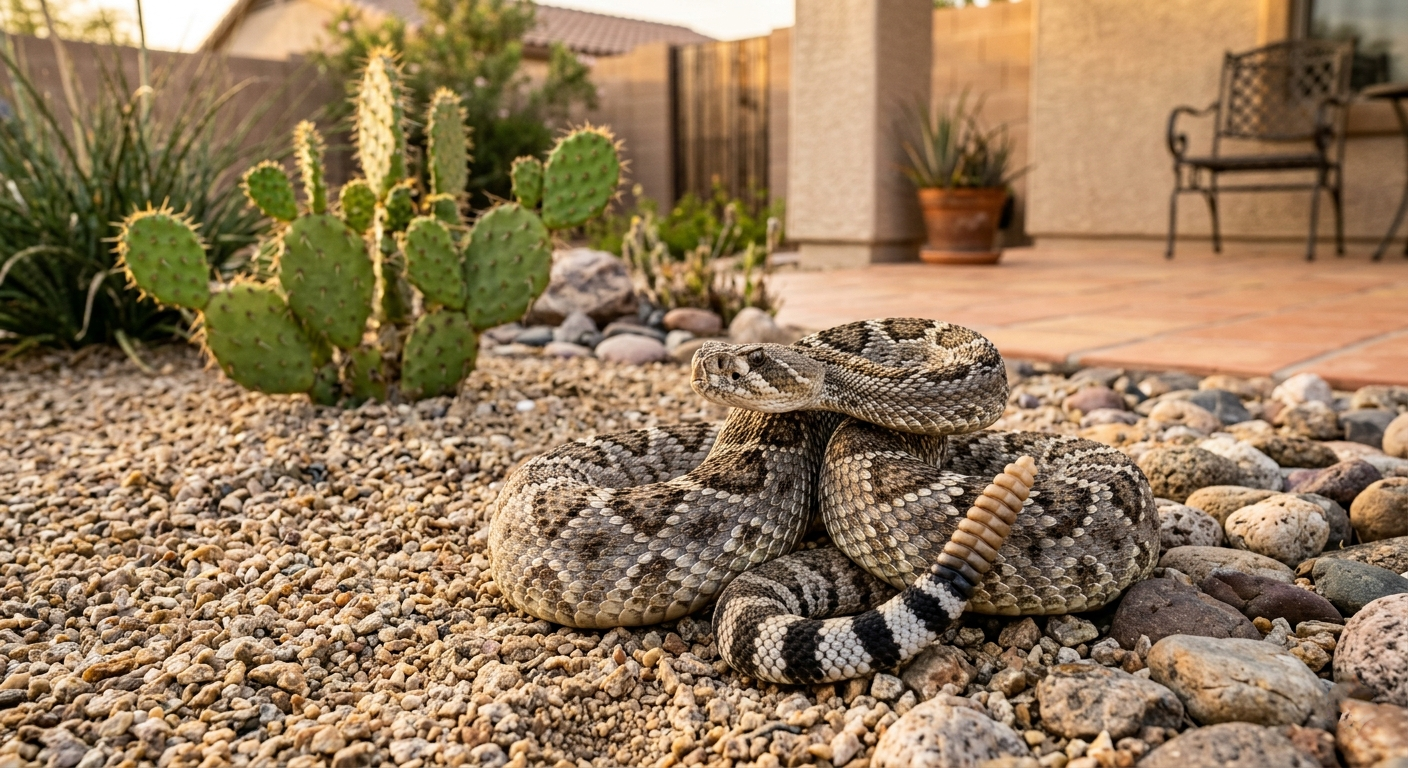
Snake season is starting early in Tucson Snake season is starting early in Tucson, and that matters for homeowners across Oro Valley, Marana, Vail, Sahuarita, and surrounding Arizona communities. Arizona Game …
Snake season is starting early in Tucson
Snake season is starting early in Tucson, and that matters for homeowners across Oro Valley, Marana, Vail, Sahuarita, and surrounding Arizona communities. Arizona Game and Fish says warmer-than-average weather can bring rattlesnakes out sooner, and rattlesnakes in Arizona are generally most active from March through October.
Arizona is home to 13 species of rattlesnakes, more than any other state, and the species people most often encounter include western diamondback, Mojave, black-tailed, and sidewinder rattlesnakes. In Southern Arizona, that means spring is the time to start paying closer attention around yards, walkways, patios, garages, and pet areas.
Why early spring matters for Tucson homeowners
In spring, rattlesnakes are often active during daylight hours before the hotter part of the year pushes more movement into the evening and nighttime. That early seasonal shift can catch homeowners off guard, especially after a mild winter or a stretch of warm days.
Rattlesnakes do not look for conflict. They usually react defensively when surprised, which is why most bite incidents happen when someone tries to approach, corner, or handle the snake. The better approach is simple: stay aware, give the snake space, and reduce the chance of an encounter in the first place.
The best long-term solution is snake fencing
Cleaning up yard debris, reducing rodent activity, and using extra caution around block walls, gates, and shaded edges can all help. But for many homeowners, those steps are only part of the solution.
Professional snake fencing in Tucson gives you a more dependable layer of protection by helping keep rattlesnakes out of the spaces your family and pets use every day. That is why more local homeowners are choosing physical exclusion instead of waiting until they find a snake near the house.
At RattleGuard, we build custom snake fencing designed for Tucson-area properties, with clean installation that works with the look of your home while helping protect the areas that matter most.
A smart step for spring in Southern Arizona
When snake season starts early in Arizona, a proactive plan makes all the difference. For homeowners in Tucson, Oro Valley, Marana, Vail, and Sahuarita, snake fencing is one of the most practical ways to prepare for the season with confidence.You can also follow local updates and project examples on RattleGuard Facebook. For more background on rattlesnake activity and safety, see Arizona Game and Fish and the University of Arizona Cooperative Extension.
2022
Feb 27 AwarenessHow to Rattlesnake-Proof your Backyard Now!
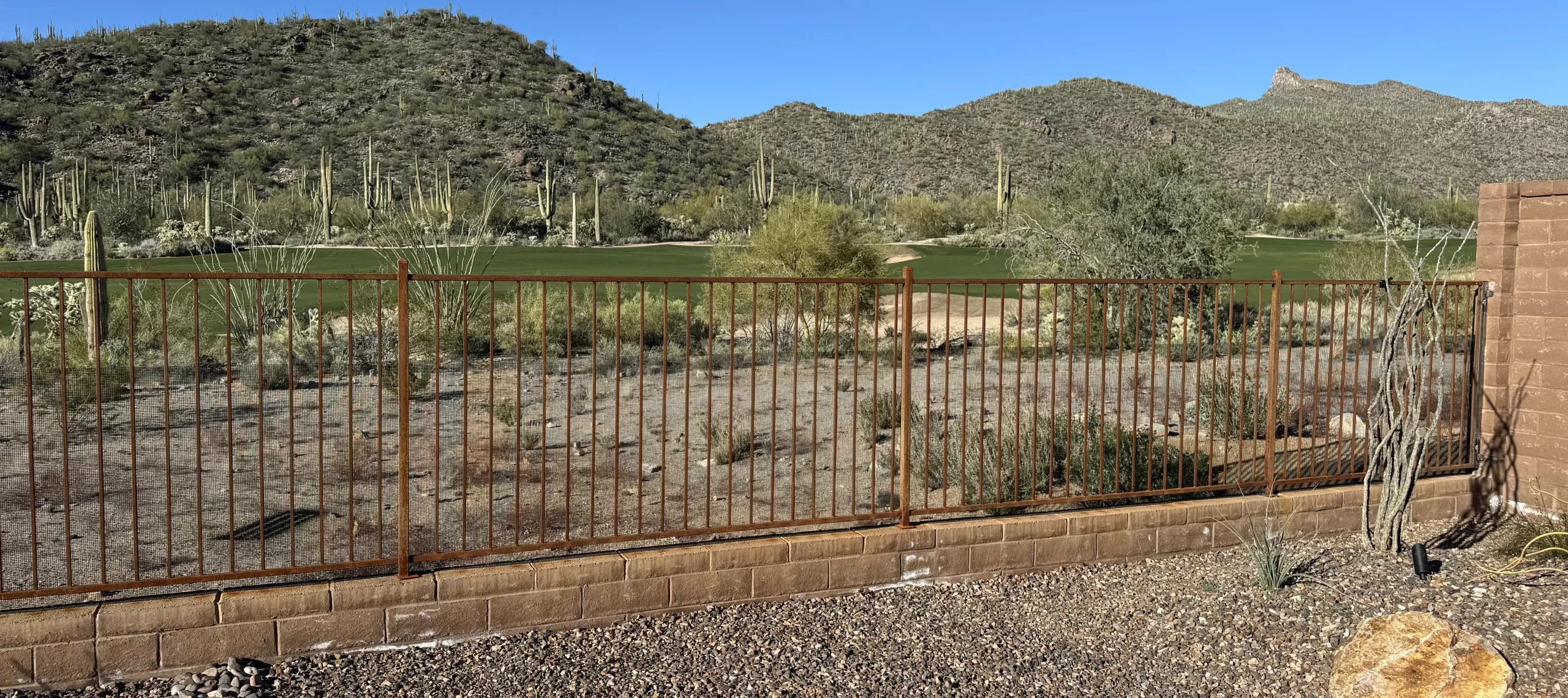
Tucson’s warm climate and desert landscapes are the perfect backdrop for enjoying outdoor living—until a rattlesnake shows up in your yard. With rattlesnakes active from spring through fall, especially during …
Tucson’s warm climate and desert landscapes are the perfect backdrop for enjoying outdoor living—until a rattlesnake shows up in your yard. With rattlesnakes active from spring through fall, especially during warm evenings, it’s important to take proactive steps to keep your backyard safe. Here’s how to rattlesnake-proof your yard and give your family peace of mind.
1. Install Snake-Proof Fencing
The most effective and long-lasting solution is a snake fence—a physical barrier that keeps rattlesnakes out of your yard. Snake fencing is typically made from galvanized steel mesh with openings no larger than ¼ inch. It should be:
- At least 30–36 inches tall
- Buried 3–6 inches into the ground
- Tightly secured to all walls, gates, and fences with no gaps
For the fence to be effective, the entire perimeter must be sealed, including gaps under gates and corners of block walls. We offer professional installation services designed to blend into your existing landscape.
👉 Learn more about our Tucson snake fencing installation services.
2. Eliminate Hiding Spots
Rattlesnakes love cool, dark, and quiet areas. Here’s what to remove or modify:
- Stacked firewood, debris piles, and construction materials
- Dense vegetation, especially near patios and pool equipment
- Unsealed sheds or garages with gaps along the floor
Keeping your yard clean, trimmed, and open reduces snake appeal dramatically.
3. Seal the Foundation
Check for cracks or gaps around:
- HVAC units
- Pipes and irrigation lines
- Concrete slabs and home foundations
Use caulk or weatherproof sealant to close off potential entry points.
4. Control Rodents
Snakes are drawn to areas with rodent activity. To reduce prey in your yard:
- Don’t leave pet food outdoors
- Seal trash cans tightly
- Eliminate water sources like leaky hoses or birdbaths
Rodent control is snake control.
5. Educate and Monitor
- Teach children and guests to watch where they step and avoid flipping rocks or putting hands in hidden areas.
- Install motion-activated lights or cameras to monitor animal activity near your yard’s perimeter.
Final Thoughts
Rattlesnake-proofing your backyard isn’t just about comfort—it’s about safety. With a few key upgrades and ongoing awareness, you can dramatically reduce the risk of an encounter.
At RattleGuard, we help Tucson homeowners secure their properties with expert snake fencing and customized exclusion strategies.
📞 Contact us today for a free property assessment or visit our snake fencing page to learn more.
2021
Sep 14 AwarenessHow Effective is a Snake Fence?
How Does Snake Fence Work? Living in the Sonoran Desert means enjoying warm weather, beautiful views—and the occasional unwanted visit from a rattlesnake. As more homeowners move to the outskirts of Tucson and…
How Does Snake Fence Work?
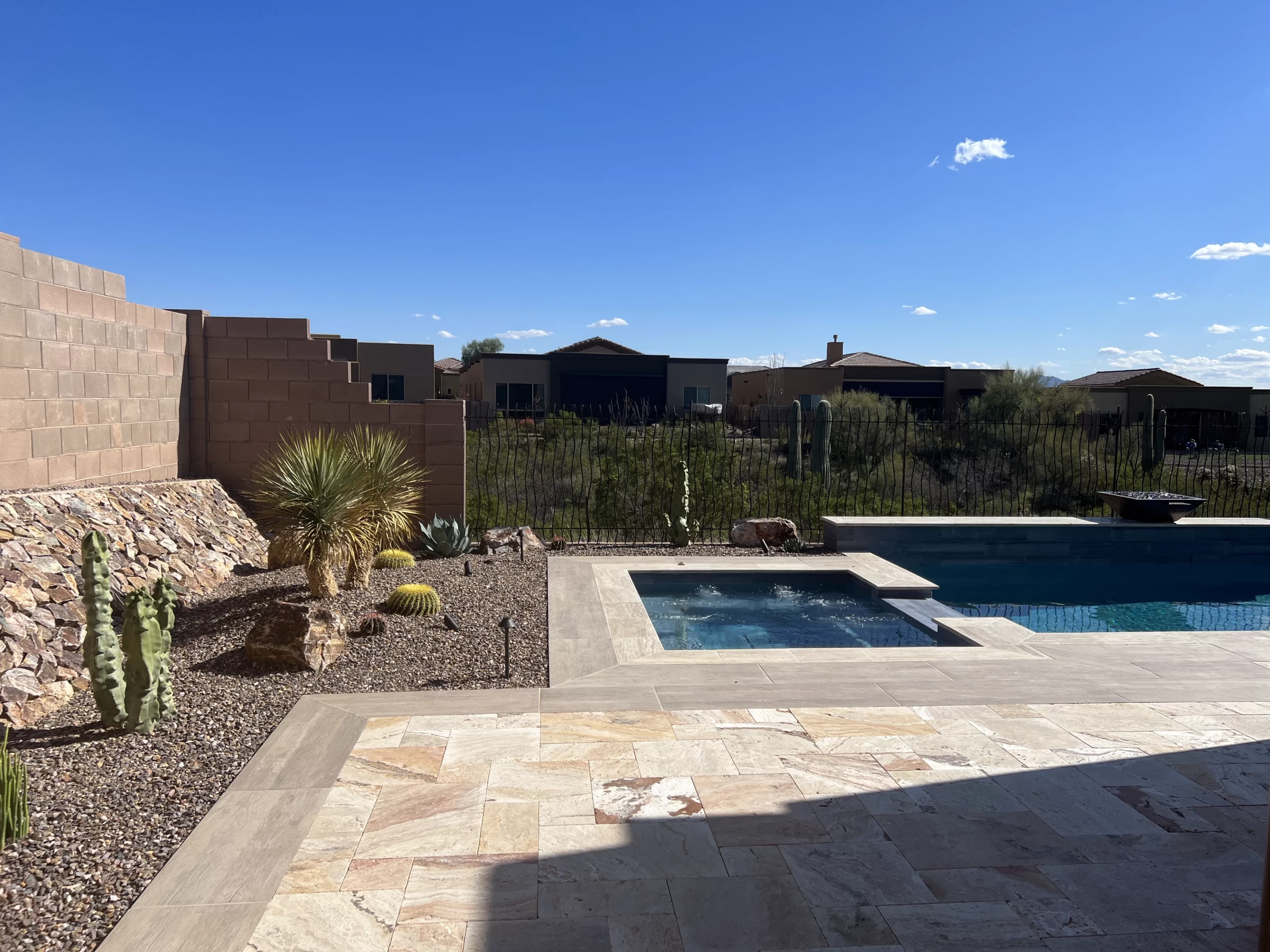
Living in the Sonoran Desert means enjoying warm weather, beautiful views—and the occasional unwanted visit from a rattlesnake. As more homeowners move to the outskirts of Tucson and develop properties near desert washes, the risk of snake encounters increases. One of the most effective ways to protect your home, pets, and loved ones from venomous intruders is by installing a snake fence. But how exactly does a snake fence work?
Let’s break it down.
What Is Snake Fence?
Snake fencing is a specially designed physical barrier made to prevent snakes—especially rattlesnakes—from entering your yard, garage, or other areas of concern. It’s not a repellent or an electric deterrent. It’s a mechanical solution—a fine, tightly-woven metal mesh that physically blocks snakes from passing through or climbing over.
Key Features That Make It Work
- Mesh Size Matters
Snake fencing uses ¼-inch wire mesh or smaller to prevent even baby rattlesnakes from slipping through. Larger gaps won’t stop smaller snakes, which are just as venomous. - Height and Depth
The fence is typically 36 inches tall and buried at least 3–6 inches into the ground. This depth is critical—rattlesnakes are known to slither under poorly installed barriers, especially in loose or sandy soil. - Smooth, Vertical Installation
The mesh must be installed flush and tight with no gaps, overlaps, or footholds. Snakes are excellent climbers, so the fence needs to be smooth and vertical—no leaning angles or exposed fasteners that a snake could use to climb. - Full Perimeter Enclosure
For the fence to work effectively, your entire property—or at least your most-used outdoor areas—must be enclosed. That means securing all gates, walls, and low-clearance areas (like under gates) where snakes can sneak through. - Proper Gate Modifications
Standard metal or wooden gates often have gaps that snakes can fit through. We install custom kick plates, bottom sweeps, and mesh extensions to snake-proof gates without compromising their function. - Durability
A well-installed snake fence uses galvanized or stainless steel materials that resist rust and corrosion over time, especially under Tucson’s intense sun and monsoon rains.
What Snake Fence Does Not Do
- It won’t kill or harm snakes—it’s designed to exclude, not trap. This makes it a humane solution.
- It won’t work unless maintained. Over time, gaps from erosion, ground shifting, or damage can reduce effectiveness.
- It doesn’t eliminate snakes from your neighborhood—it just ensures they stay out of your protected zones.
Why Snake Fence Works in Tucson
Here in Southern Arizona, Western Diamondback rattlesnakes are among the most common venomous species encountered. They are strong, adaptive climbers, but they can’t penetrate or scale a properly installed snake fence.
Many homes in Tucson back up to washes or open desert, which serve as natural snake highways. If your yard is cool, shaded, or has water sources, snakes might see it as an attractive resting place. Snake fencing creates a barrier between your home and their habitat—and can offer peace of mind, especially during warmer months when snakes are most active.
Final Thoughts
Snake fence works by doing exactly what it’s designed to do—create a secure, impassable perimeter. It’s a permanent, proactive solution for desert dwellers looking to enjoy outdoor living without surprise guests.
If you’re considering installing snake fencing in Tucson or surrounding areas, our team at RattleGuard specializes in custom solutions for homes, yards, and ranch properties. We combine expert installation with materials that blend into your landscape—so you can stay protected without sacrificing beauty.
Ready to protect your property?
Contact us for a free consultation and keep your family safe—because you never know what’s slithering nearby.
Aug 17 AwarenessAre You Trenching for Rattlesnakes this Season?
Homeowners in Tucson and other desert regions often wonder if trenching a fence line is necessary when installing snake fence. The short answer? Yes, if you want complete protection from rattlesnakes. Here’s w…
Homeowners in Tucson and other desert regions often wonder if trenching a fence line is necessary when installing snake fence. The short answer? Yes, if you want complete protection from rattlesnakes. Here’s why trenching is a crucial step in effective snake fencing.
Why Trenching Matters for Snake Fence
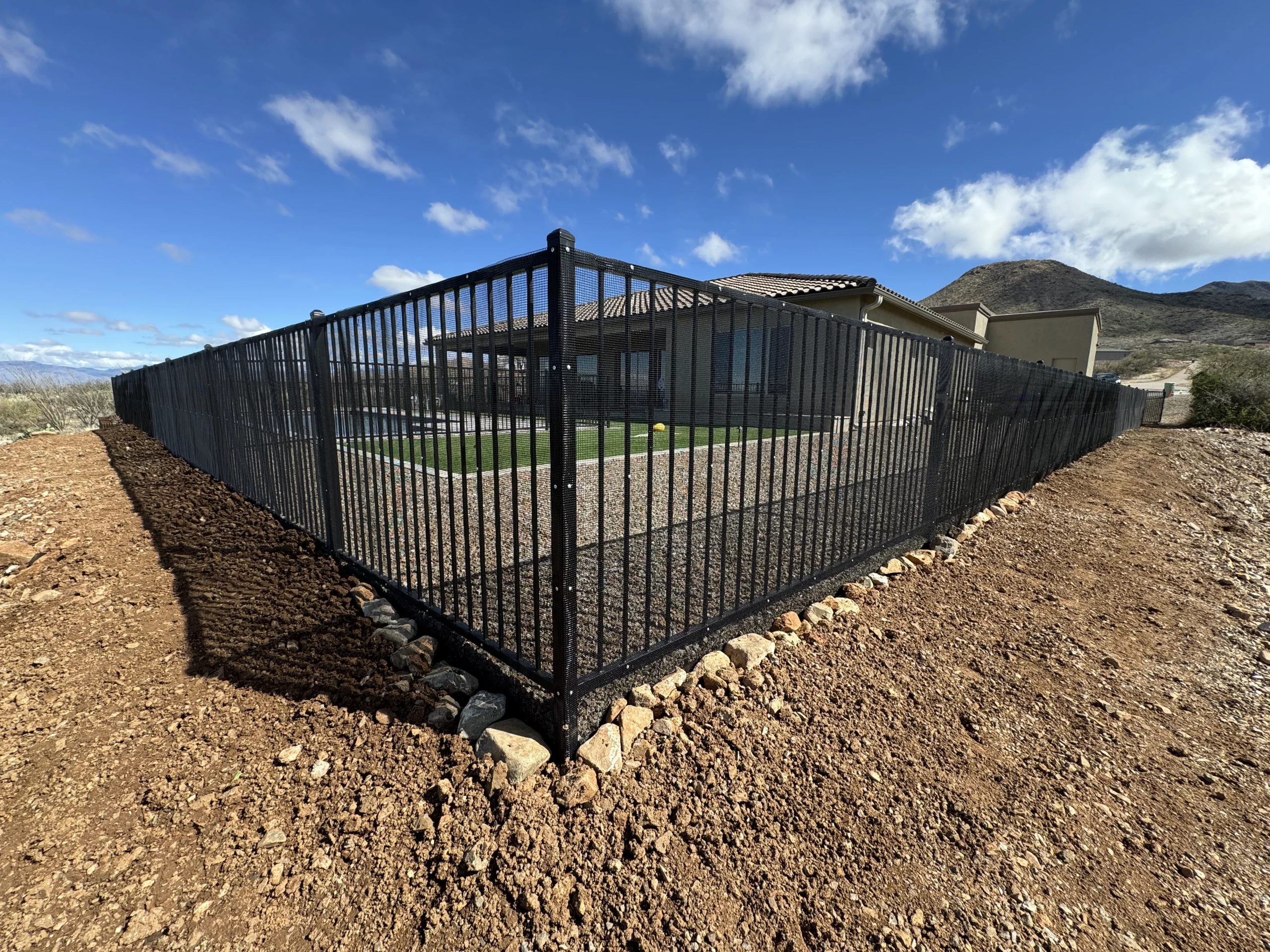
Rattlesnakes are skilled at finding entry points. If a fence isn’t properly installed, they can slip through gaps, burrow underneath, or push through weak spots. Trenching ensures that your snake mesh extends underground, preventing snakes from sneaking into your yard.
How Deep Should You Trench?
A proper trench should be at least 6 to 12 inches deep. This depth prevents snakes from burrowing under the mesh. The mesh is then secured into the trench and backfilled with soil to create a seamless barrier.
Best Practices for Installing Snake Fence
- Use the right mesh – Choose 1/4-inch galvanized steel mesh to prevent baby snakes from squeezing through.
- Secure the bottom – Trench at least 6 inches deep and bury the mesh to eliminate gaps.
- Angle the mesh outward – This discourages snakes from attempting to climb over.
- Seal all entry points – Check for gaps along fence posts and gates. Snakes can exploit even small openings.
Common Mistakes to Avoid
- Not trenching deep enough – A shallow trench leaves room for snakes to dig under.
- Using the wrong mesh size – Anything larger than 1/4-inch could allow small snakes through.
- Failing to secure the mesh properly – Loose fencing won’t hold up against determined rattlesnakes.
The Best Solution: Professional Snake Fencing
DIY installation can be tricky. That’s why hiring a professional ensures your snake fence is installed correctly, with proper trenching and secure mesh placement. At RattleGuard, we specialize in snake-proof fencing tailored to Tucson’s unique desert environment.
Protect Your Home Today
Don’t leave gaps in your defense against rattlesnakes. Contact RattleGuard for expert snake fencing installation that includes proper trenching and secure mesh placement. Call us today or visit our contact page for a quote!
For more snake-proofing tips, check out our guide on How to Avoid Attracting Rattlesnakes to Your Tucson Home and stay informed on keeping your home safe.
Jul 19 AwarenessHow to Avoid Attracting Rattlesnakes to Your Tucson Home
Rattlesnakes are a common concern for Tucson residents, especially in neighborhoods close to the desert. While these snakes are not actively looking for trouble, they are often drawn to residential properties …
Rattlesnakes are a common concern for Tucson residents, especially in neighborhoods close to the desert. While these snakes are not actively looking for trouble, they are often drawn to residential properties because of food and water sources.
If you’re unintentionally attracting rodents, you may also be attracting rattlesnakes.
Why Are Rattlesnakes Visiting Your Yard?
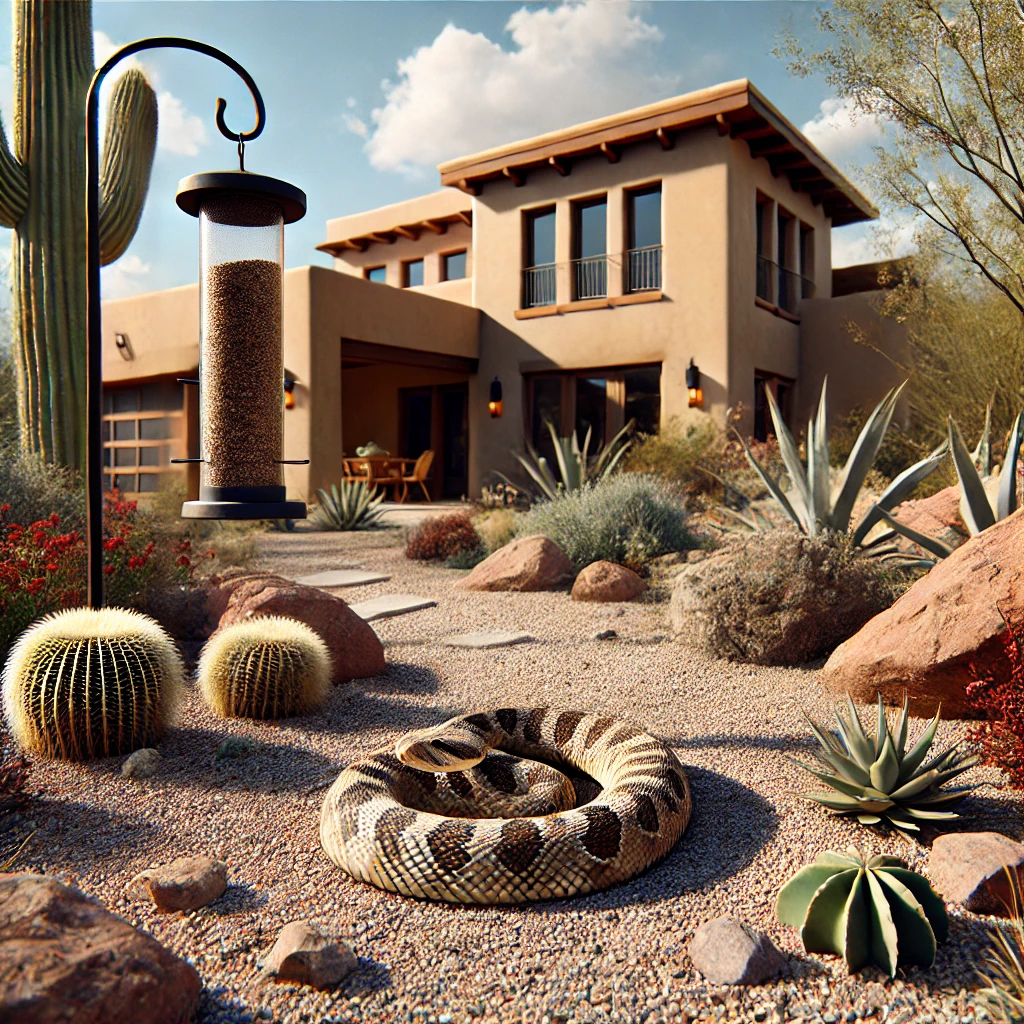
Rattlesnakes follow their prey. If your property attracts rodents, it becomes a hotspot for snakes. Here are the common culprits:
- Standing Water: Leaks, birdbaths, and pet water bowls attract both pests and snakes.
- Rodent Infestations: Mice and rats thrive near food sources and quickly invite rattlesnakes.
- Pet Food Left Outside: Pet kibble left outdoors is a magnet for rodents.
- Bird Feeders: While enjoyable, spilled seeds attract rodents, which bring snakes.
The solution? Eliminate these factors and create a physical barrier to protect your home.
Understand the integration between snakes and humans here.
The Ultimate Solution to Rattlesnakes: Snake Fencing
While pest control and fixing water leaks help, snake fencing is the most reliable way to keep rattlesnakes out of your yard. At RattleGuard, we specialize in durable, professionally installed snake fencing that acts as a physical barrier to keep snakes out.
Benefits of Snake Fencing:
- Effective Protection: Blocks rattlesnakes from entering your property.
- Safe for Pets and Children: Provides peace of mind for families.
- Long-Lasting Solution: Properly installed fencing is weather-resistant and durable.
How Snake Fencing Works
Snake fencing is designed to prevent even the smallest rattlesnakes from squeezing through. It can be installed around yards, play areas, and patios. Combined with good property maintenance, snake fencing ensures a safer environment.
Steps to Prevent Rattlesnakes Attraction
- Fix water leaks and remove standing water.
- Use sealed containers for pet food.
- Regularly clean bird feeders and pick up spilled seeds.
- Hire a professional to assess your rodent control.
- Install snake fencing as a permanent solution.
Learn more about our snake fencing services here.
Keep Your Home Snake-Free
If you’re concerned about rattlesnakes on your property, RattleGuard is here to help. We provide expert snake fencing installation to keep your family safe and your home protected.
Contact us today for a free quote and take the first step toward a snake-free property.
Related Blog Posts:
Mar 07 AwarenessUnderstanding Rattlesnakes Behavior and How to Stay Safe
Living in the Sonoran Desert means coexisting with its wildlife, including rattlesnakes. Many homeowners are unsure how these snakes behave, leading to fear and misconceptions. When are rattlesnakes active? Ho…
Living in the Sonoran Desert means coexisting with its wildlife, including rattlesnakes. Many homeowners are unsure how these snakes behave, leading to fear and misconceptions. When are rattlesnakes active? How do you identify one? What should you do during an encounter? Understanding their behavior is the first step to coexisting safely. Fortunately, snake fencing offers an effective solution to protect your property.
When Are Rattlesnakes Most Active?
Rattlesnakes are most active during spring, summer, and early fall. They prefer warmer temperatures, which is why you often see them:
- Early morning and evening during the summer.
- Midday in spring and fall when temperatures are moderate.
During cooler months, rattlesnakes brumate (similar to hibernation), hiding in dens to conserve energy. However, on warm winter days, they may briefly emerge. Always remain cautious year-round.
How to Identify Rattlesnakes
Rattlesnakes are often mistaken for harmless desert snakes. To identify a rattlesnake safely, look for these key features:
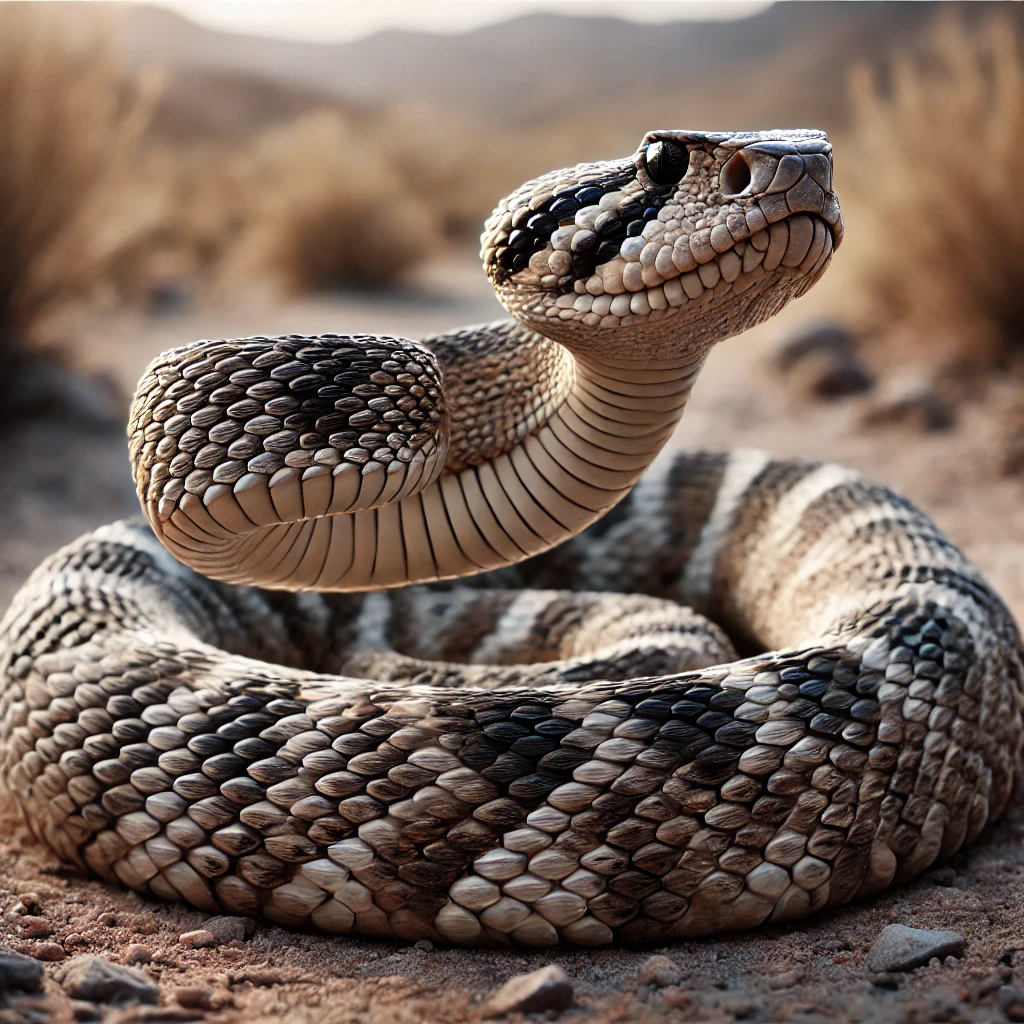
- Triangular-shaped head
- Rattle at the tail’s end (though young snakes may not have one yet)
- Thick, heavy body
- Vertical pupils (if you are close enough to see, proceed with caution!)
Avoid getting too close to confirm identification. Use binoculars or take photos from a safe distance. If you spot a snake and are unsure, assume it’s venomous and stay back.
What to Do During a Snake Encounter
If you encounter a rattlesnake:
- Stop and back away slowly. Snakes strike when they feel threatened.
- Do not attempt to move or kill the snake. This increases the risk of being bitten.
- Give it space. Rattlesnakes will often move on when undisturbed.
For additional safety tips, check out Arizona Game & Fish’s guide on snakes.
How Snake Fencing Protects Your Home
While awareness is critical, the most effective way to protect your family and pets is snake fencing. Properly installed snake fences:
- Block snakes from entering your yard
- Are made with materials snakes can’t climb or squeeze through
- Offer year-round peace of mind
At RattleGuard, we specialize in snake-proof fencing designed specifically for Tucson’s desert environment. Learn more about our snake fencing solutions.
Conclusion
Understanding rattlesnake behavior reduces fear and helps you stay safe. By installing snake fencing, you eliminate the uncertainty of unwanted snake encounters at home. Contact RattleGuard today for a consultation and ensure your property is protected year-round.
Contact Us to schedule your snake fencing installation!
Feb 20 AwarenessHow to Choose the Perfect Height for Your Snake Fencing
Choosing the perfect height for your snake fencing is a question we hear often. Snake fencing is an essential investment in Tucson, where rattlesnakes are a frequent concern. But how high should your fence mes…
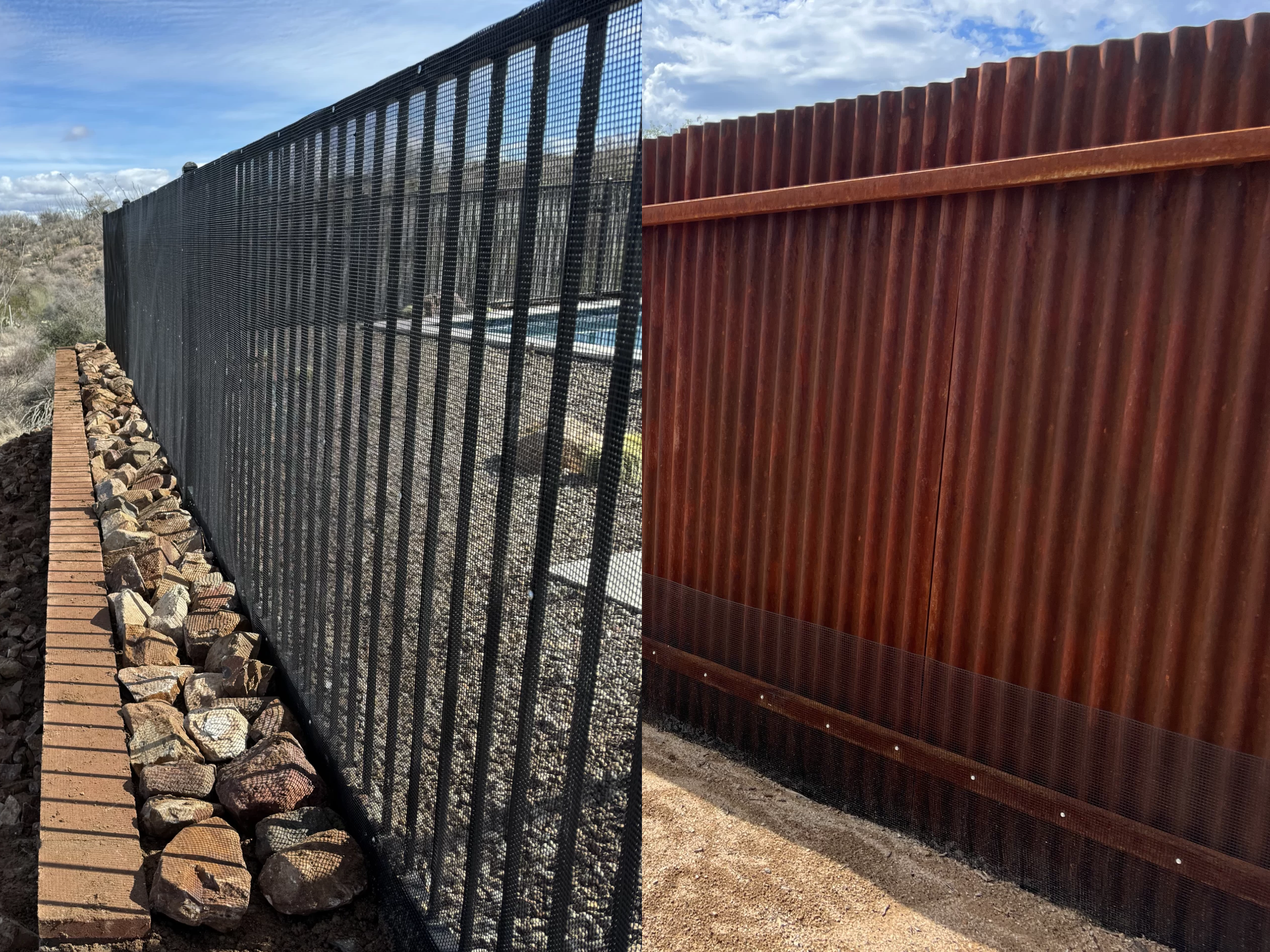
Choosing the perfect height for your snake fencing is a question we hear often. Snake fencing is an essential investment in Tucson, where rattlesnakes are a frequent concern. But how high should your fence mesh go—3 feet or 6 feet? Let’s dive into the pros and cons of each option to help you make an informed decision. Whether you’re focused on practical protection or enhancing your yard’s visual appeal, we’ve got you covered. Keep reading to discover the best solution for your needs!
The Case for 3 Feet: Practical Protection
Three feet is a practical and cost-effective height for snake fencing. It meets the recommended height for deterring most venomous rattlesnakes, as they aren’t adept climbers. A 3-foot mesh is less obtrusive, maintaining an open and airy feel in your yard.
This height also works well for homeowners who prioritize affordability while still ensuring family and pet safety. Plus, installing snake fencing at this height is faster, saving you time and reducing labor costs.
Pros:
- Cost-effective option for budget-conscious homeowners.
- Easier to install and maintain.
- Blends seamlessly with your landscape, maintaining a more open, natural feel.
Learn more about the importance of proper snake fence maintenance to ensure long-term effectiveness.
Is 6 Feet Too Much—or Just Right?
A 6-foot mesh provides additional peace of mind for those seeking maximum protection. It’s ideal if your property backs up to open desert or areas with dense vegetation, where snakes might be more active. Although most snakes don’t climb, this height might help deter larger wildlife from breaching your yard.
Pros:
- Provides dual functionality as a snake barrier and privacy fence.
- May appeal to homeowners with dense landscaping or larger animals in the area.
Visually, a 6-foot fence creates a sleek, modern look that can double as a privacy screen. However, the taller mesh may require more materials and labor, making it a pricier option. If aesthetics are a priority, the investment can be worth it.
Learn more about snake behavior from experts like the Arizona-Sonora Desert Museum to stay informed and protected.
Which Option is Right for You?
For most Tucson homeowners, a 3-foot snake fence offers the best balance of affordability, effectiveness, and aesthetics. However, if you’re also looking to enhance privacy or have unique landscaping needs, a 6-foot fence could be worth the investment.
Need Expert Advice?
Still unsure about the best height for your snake fence? Contact us at Tucson Snake Fencing today! Protect your loved ones while enhancing your property’s appeal with a customized solution.
Feb 01 AwarenessHow to Install Snake-Proof Fencing: A Step-by-Step Guide
Are you ready to make your yard safe from snakes? If you’ve been searching for the best way to protect your property, snake-proof fencing is the ultimate solution. Whether you’re in Tucson or any other area wh…
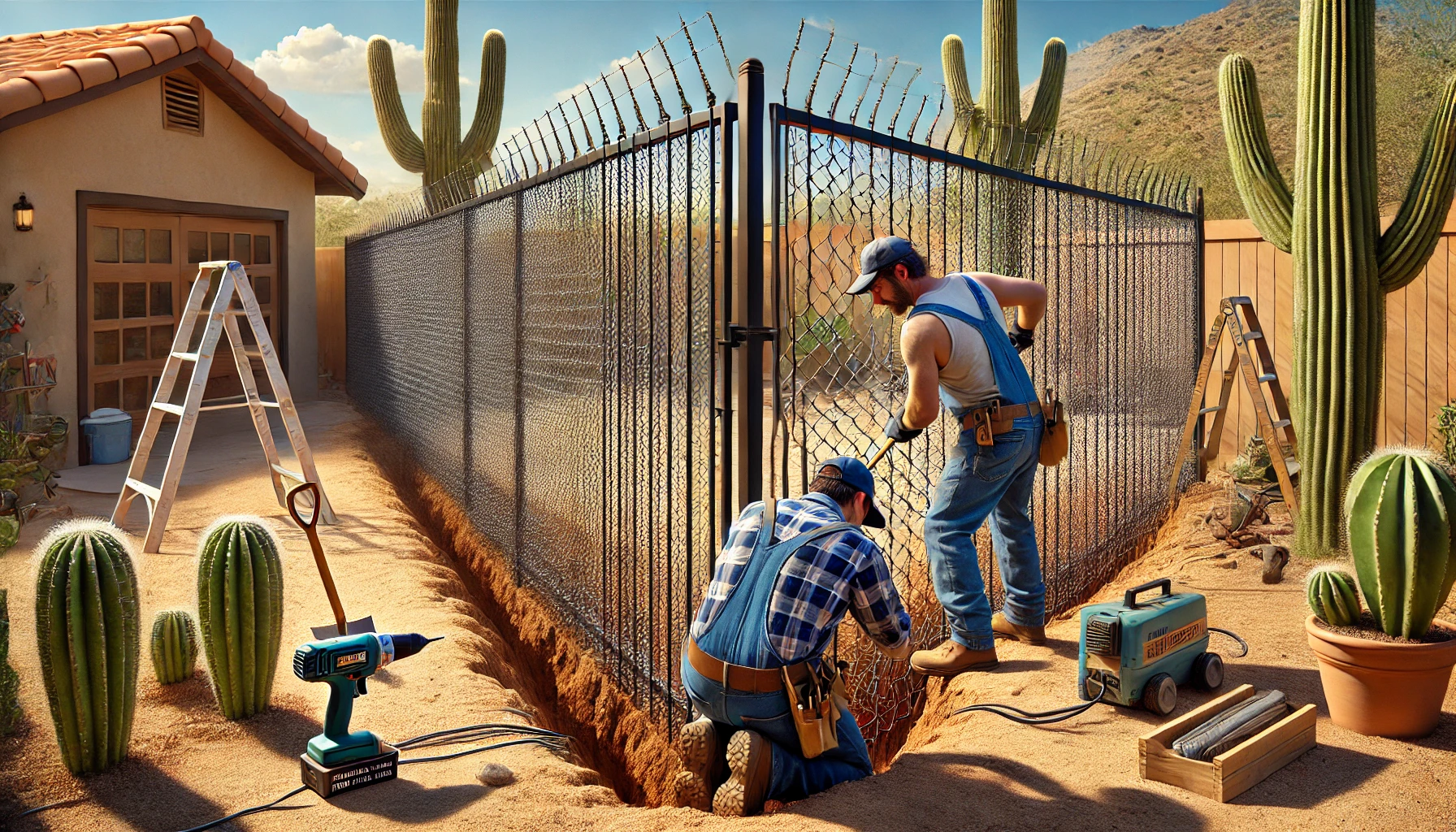
Are you ready to make your yard safe from snakes? If you’ve been searching for the best way to protect your property, snake-proof fencing is the ultimate solution. Whether you’re in Tucson or any other area where rattlesnakes are common, installing the right fence can protect your family, pets, and peace of mind. Let’s dive into how you can install a snake fence with confidence!
Why You Need Snake-Proof Fencing
Snakes are experts at finding tiny gaps and climbing low barriers. Traditional fencing just doesn’t cut it. Snake fencing, designed specifically to block these slithery intruders, keeps them out by sealing off entry points. Plus, it’s a long-term investment in the safety and usability of your outdoor space.
Visit our Details How page to learn more about the material we choose and how we install them.
Check out our post about the importance of maintaining your snake fence to learn why routine checks matter for keeping snakes away year-round.
Choosing the Right Materials
Before you start, pick the best materials for snake-proof fencing. A solid choice is mesh made of galvanized steel, with openings no larger than ¼ inch. The fence should also be buried at least 4 inches underground to prevent snakes from digging underneath.
Learn about common issues with wire fencing in this blog post comparing snake fencing options.
Easy Step-by-Step Installation
- Clear the Perimeter: Remove debris and rocks where snakes could hide.
- Dig a Trench: This ensures your fencing stays secure underground.
- Attach the Mesh: Secure it tightly to existing fencing or posts, angling outward for extra security.
- Seal Gaps: Use weatherproof fasteners to close any openings.
Need inspiration? Visit Arizona Game and Fish for more snake deterrent tips.
Let’s Get Started!
Now that you know how to install snake-proof fencing, why not get started today? Or better yet, hire a professional! Contact us for a free consultation at RattleGuard. Protect your home and loved ones from unwanted snake encounters with expertly installed fencing that lasts.
2020
Dec 18 AwarenessHow Snake Fences Work: Your Ultimate Guide to Keeping Snakes Out
Do You Worry About Snakes in Your Yard? Living in Tucson means sharing the beauty of the Sonoran Desert with its unique wildlife, including snakes. While fascinating, these creatures can also be dangerous when…
Do You Worry About Snakes in Your Yard?
Living in Tucson means sharing the beauty of the Sonoran Desert with its unique wildlife, including snakes. While fascinating, these creatures can also be dangerous when they wander into your property. Snake fencing is the ultimate solution to safeguard your home, family, and pets without harming the local ecosystem. At Tucson Snake Fencing, we specialize in creating effective, humane barriers that give you peace of mind. But how do snake fences actually work? Let’s dive into it!
What Makes Snake Fencing Effective?
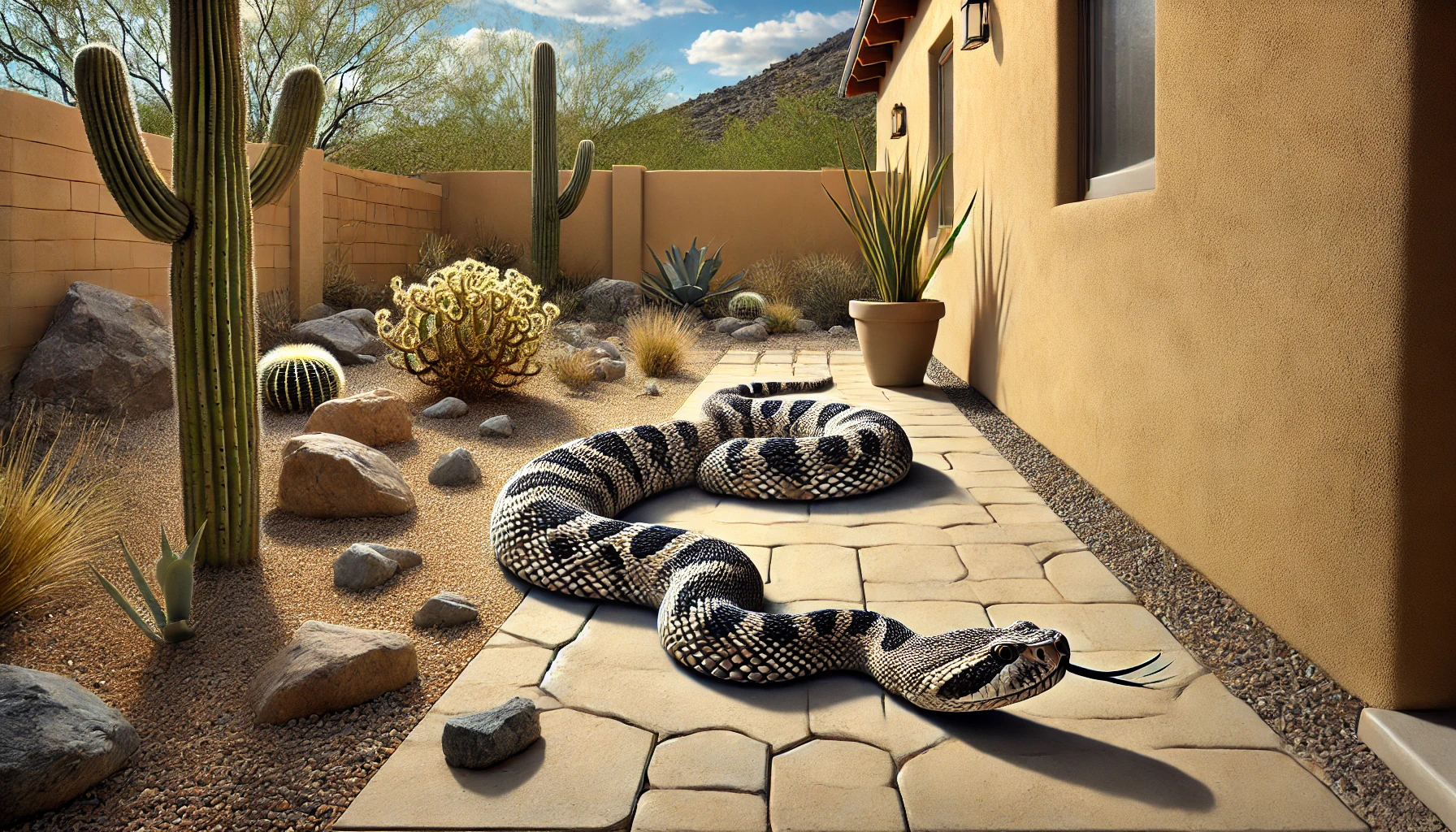
Snake fences are designed with precision to block snakes of all sizes. By using fine, durable mesh material installed flush to the ground, these fences prevent even the smallest snakes from squeezing through. Unlike traditional fencing, snake-proof barriers are angled and securely attached to structures to eliminate climbing or digging opportunities.
Want to learn more about the materials we use? Check out our blog post on choosing the best snake fencing materials.
Desire: Why Do Homeowners Love Snake Fencing?
Not only does snake fencing keep your property safe, but it also blends seamlessly with your landscaping. This low-maintenance solution adds value to your home and ensures you can enjoy your outdoor spaces worry-free. Plus, you’re contributing to conservation by encouraging snakes to stay in their natural habitat.
Discover why routine maintenance matters in our guide: The Importance of Checking Your Snake Fence.
Action: Secure Your Home Today
Protect your loved ones with a custom snake fence designed just for you. Contact Tucson Snake Fencing today for a free consultation, and take the first step toward a safer, snake-free home! For more insights, visit the Arizona Game and Fish Department’s guide on living with snakes.
Oct 07 AwarenessCan Rattlesnakes Climb Walls? Secure Your Yard Now!
Protect Your Family from Climbing Critters Have you ever wondered, can rattlesnakes climb walls? Living in the Sonoran Desert, it’s a critical question for homeowners who want to protect their loved ones. Ratt…
Protect Your Family from Climbing Critters
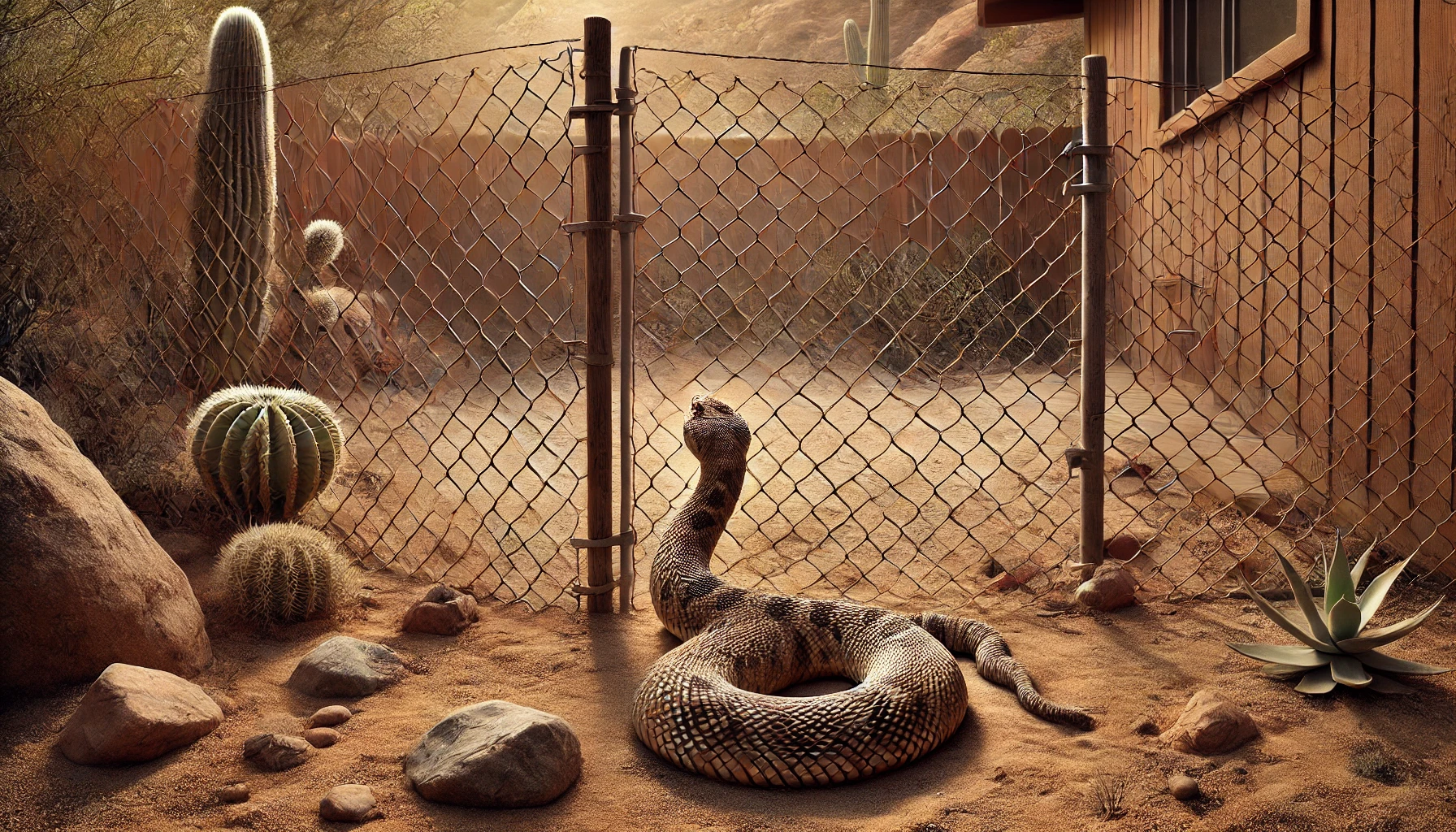
Have you ever wondered, can rattlesnakes climb walls? Living in the Sonoran Desert, it’s a critical question for homeowners who want to protect their loved ones. Rattlesnakes, along with other critters like scorpions, lizards, and even desert rats, can climb walls, trees, and fences if there’s enough grip. The good news? Properly installed snake fencing can help keep these unwelcome guests out, making your outdoor spaces secure. This post will explore how snake fencing effectively keeps snakes and other climbers away from your home.
Read more about the importance of regular snake fencing maintenance here.
Why Rattlesnakes and Other Critters Climb Walls
Rattlesnakes are generally ground-dwellers, but when seeking shelter, food, or shade, they may climb if they find footholds. Walls with rough textures or cracks make it easier for snakes to gain traction. Besides snakes, desert rats, scorpions, and certain lizards can also scale walls or trees, making your backyard a risky place. With Arizona’s warm climate and diverse wildlife, a secure perimeter is essential.
Learn more about common Sonoran Desert critters in our guide for new residents.
How Snake Fencing Helps Secure Your Yard
Snake fencing is specifically designed to prevent snakes from accessing your property. A high-quality fence—often 3-4 feet tall with smooth surfaces and tightly secured to the ground—leaves no room for rattlesnakes or similar animals to climb or squeeze through. This simple addition can reduce the risk of unexpected encounters and protect pets, children, and family members.
To see examples of effective installations, check out our portfolio of snake fencing projects here.
For more on rattlesnake behavior, visit the Arizona-Sonora Desert Museum’s page. Learn about the different climbing critters and ways to protect your home with the right barrier solutions.
Sep 04 AwarenessSnake Proof Fencing: Secure Your Home for Ultimate Peace of Mind
Protect Your Loved Ones with Snake Proof Fencing Are you wondering, “Is snake proof fencing really necessary?” If you live in an area with frequent snake sightings, the answer is a resounding yes. Snake proof …
Protect Your Loved Ones with Snake Proof Fencing
Are you wondering, “Is snake proof fencing really necessary?” If you live in an area with frequent snake sightings, the answer is a resounding yes. Snake proof fencing not only protects your family but also adds peace of mind to your home. This type of fencing is specially designed to prevent venomous snakes from entering your yard, giving you a secure outdoor space. With effective snake fencing, you can reduce the risks and enjoy your outdoor space without worry. Learn how snake proof fencing works, why it’s essential, and how it can benefit your property.
How Does Snake Proof Fencing Work?
Snake proof fencing is carefully constructed to block even the smallest snakes. With materials like wire mesh that have openings small enough to prevent snakes from squeezing through, it serves as a physical barrier. This fencing is also installed at a certain height and depth, making it difficult for snakes to climb over or burrow under. If you’re considering a more in-depth look, check out our article on what makes snake fencing effective.
Why You Need It: Safety & Peace of Mind
Having snake proof fencing means you won’t have to constantly worry about checking for snakes every time your kids or pets step outside. Installing this type of fencing is especially important in areas like Tucson, where rattlesnakes are common. Not sure if it’s worth it? Take a look at our guide on the benefits of snake proofing your property.
Choosing the Right Installer Matters
Investing in quality installation ensures the fencing will perform as expected. It’s wise to consult professionals who understand local snake species and can optimize your fencing accordingly. You can also find tips on selecting a contractor by visiting reputable resources, like this guide from the National Wildlife Federation.
Protect your family and enjoy your yard with confidence by investing in effective snake proof fencing today.
Aug 27 Awareness5 Proven Tips to Maintain and Strengthen Your Rattlesnake Fence
Rattlesnake fence is a critical barrier for Arizona homeowners looking to keep their property safe from unwelcome snakes. However, like any outdoor structure, proper maintenance is key to ensuring its effectiv…
Rattlesnake fence is a critical barrier for Arizona homeowners looking to keep their property safe from unwelcome snakes. However, like any outdoor structure, proper maintenance is key to ensuring its effectiveness and longevity. Here are five practical tips for maintaining your snake fence, so you and your loved ones stay protected year-round.
1. Inspect Your Fence Regularly
Rattlesnake fences are durable, but regular inspections will help identify any potential weaknesses. Walk along the fence line monthly to look for any signs of wear, gaps, or holes. Promptly address these issues to prevent snakes from finding entry points. Need tips? Check out more on maintenance on our blog.
2. Keep Vegetation Trimmed Around Rattlesnake Fencing
Plants and shrubs can create hiding spots and provide snakes with a way to climb over the fence. Regularly trim any vegetation growing near your snake fencing to maintain a clear area. This not only deters rattlesnakes but also reduces debris buildup against the fence, which can weaken it over time.
3. Remove Dirt and Debris
Soil and debris buildup can create gaps at the base of the fence, offering snakes an opportunity to slip through. Clear away any dirt that accumulates at the bottom of the fence and ensure the fencing remains flush to the ground. This simple step helps maintain the fence’s snake-proof barrier.
4. Check for Rust and Corrosion
Arizona’s intense sun and occasional rain can lead to rust, especially on metal snake fencing. Apply a rust-resistant coating annually or as needed to metal parts, ensuring long-lasting protection. If you notice rusting or corrosion, consider replacing those sections to keep your fence in optimal condition.
5. Hire a Professional for Annual Fencing Maintenance
While regular DIY maintenance is essential, an annual inspection by a snake fencing professional can identify issues you might miss. A professional will ensure your fence is up to local standards and offer advice on any upgrades or repairs needed for continued effectiveness. For more on professional maintenance, see this guide.
With these maintenance tips, your rattlesnake fence will stay in excellent shape for years, keeping your home secure. Proper care not only extends the fence’s lifespan but also maximizes its effectiveness in protecting your family from Arizona’s rattlesnakes.
Jul 12 AwarenessSnake Fencing: THE Most Reliable Defense
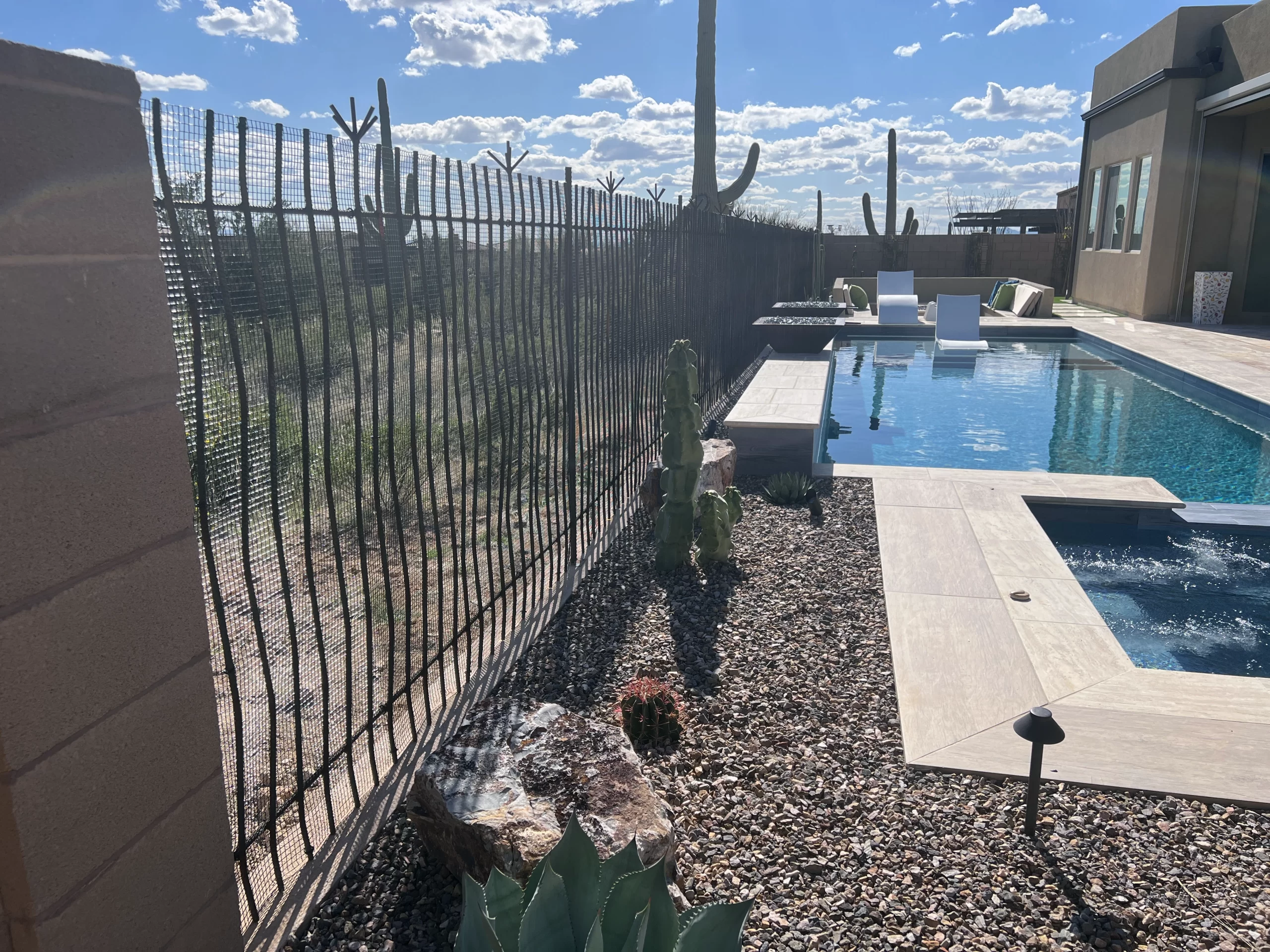
When it comes to keeping snakes away from your home, many residents explore options like snake repellents, which are available in natural and synthetic forms. Each type has unique pros and cons, but it’s essen…
When it comes to keeping snakes away from your home, many residents explore options like snake repellents, which are available in natural and synthetic forms. Each type has unique pros and cons, but it’s essential to understand their limitations in protecting your home in snake-prone areas like Tucson.
Natural vs. Synthetic Snake Repellents: The Pros and Cons
Natural Repellents: Natural repellents typically use essential oils or natural substances like clove, cinnamon, or sulfur, which are believed to repel snakes due to their strong odors. The primary advantage of natural repellents is their eco-friendly nature, reducing environmental impact while posing minimal risks to children and pets. However, their effectiveness is limited, as they often only deter snakes for short distances, requiring frequent reapplication and offering minimal lasting protection. For more on natural snake repellents, check out this guide by the USDA.
Synthetic Repellents: Synthetic options, on the other hand, offer longer-lasting results, often using chemical compounds to ward off snakes. While they can be more effective in larger areas, synthetic repellents can contain harmful chemicals that may pose risks to pets, wildlife, and even your landscaping. Over time, they can also seep into the soil, impacting the surrounding environment. Like natural options, synthetic repellents often fall short of providing full protection against snakes.
Why Snake Fencing is Essential
While repellents can offer temporary deterrence, they should never be relied on as the sole solution for snake control. In Tucson’s desert climate, where encounters with snakes can be common, snake fencing stands as the most reliable defense against unwanted snake encounters. Unlike repellents, snake fencing creates a physical barrier that prevents snakes from entering your property altogether, ensuring the safety of your family and pets.
Secure Your Home with Snake Fencing
For ultimate peace of mind, consider pairing snake fencing with a regular maintenance plan. This combination provides the strongest protection available for keeping your property snake-free. To learn more about our comprehensive snake protection solutions, check out our other blog posts on our blog page. By investing in snake fencing, you’re choosing the most effective, long-term solution to keep your Tucson home safe and snake-free.
Jul 05 AwarenessWhy Snake Fencing is Superior to Traditional Fencing
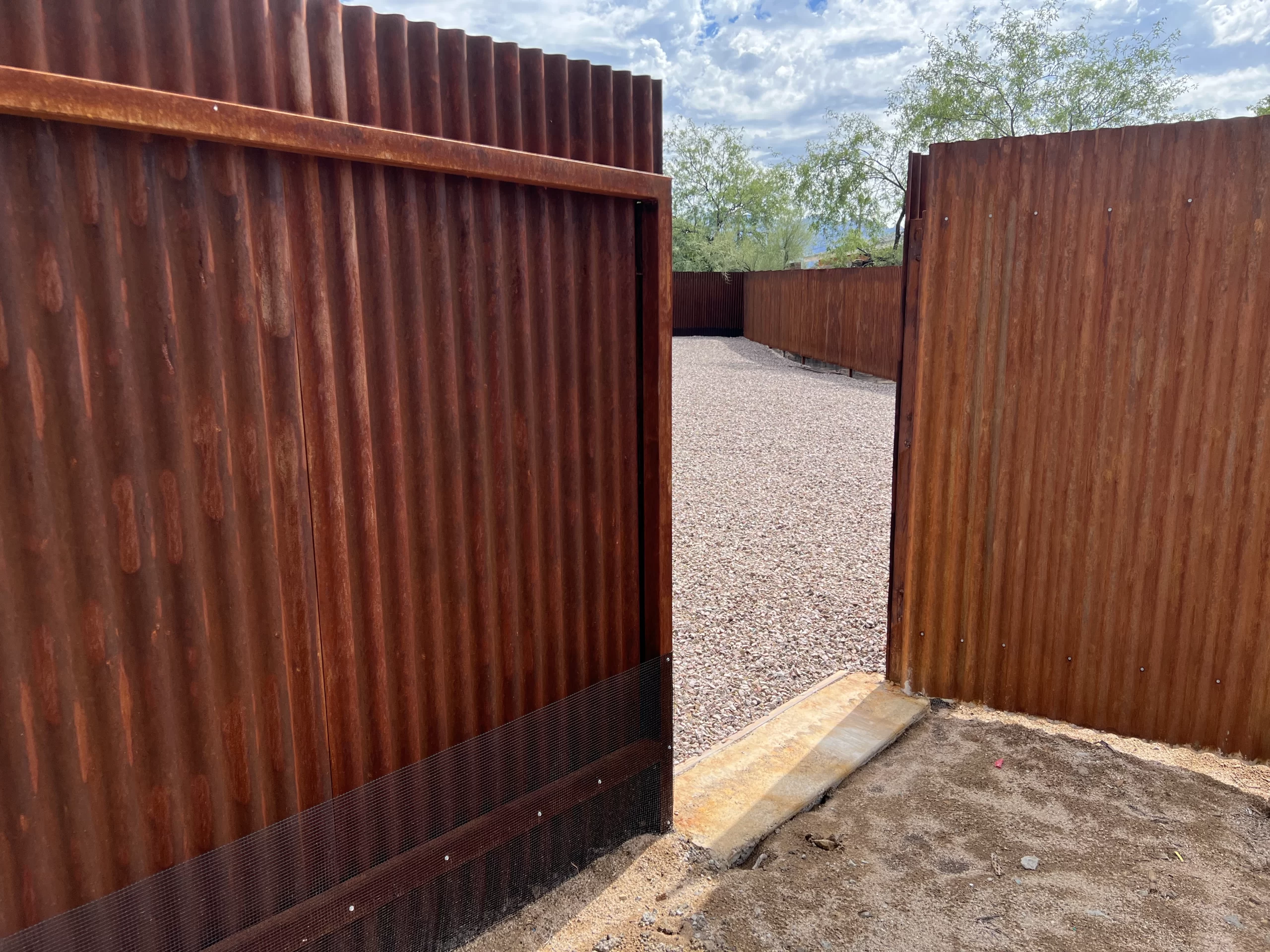
When it comes to keeping your yard safe from rattlesnakes and other venomous creatures, traditional fencing solutions often fall short. Standard fences like chain-link or wood may keep out larger animals, but …
When it comes to keeping your yard safe from rattlesnakes and other venomous creatures, traditional fencing solutions often fall short. Standard fences like chain-link or wood may keep out larger animals, but they don’t effectively block the small gaps that snakes can slip through. Here, we explore the unique advantages of purpose-built snake fencing and why it’s the best solution for true snake protection.
Why Traditional Fencing Falls Short
General fencing solutions like chain-link, wood slats, or decorative metalwork provide a basic perimeter but often leave gaps at ground level and between fence sections. Snakes are remarkably adept at finding small spaces to slip through—openings as small as ¼ inch can offer easy entry points for these slithering creatures. Standard fences also typically lack the tight seals necessary to prevent burrowing under the barrier.
Additionally, traditional fences may degrade over time, leaving unexpected openings or damage that snake fencing solutions are specifically designed to prevent.
Benefits of Purpose-Built Snake Fencing
Custom Fit to Prevent Gaps: Snake fencing is specifically engineered to eliminate entry points that standard fences overlook. These fences are typically constructed with materials like fine mesh, extending several inches below ground to stop burrowing.
Durable and Weather Resistant: Made from corrosion-resistant materials, quality snake fences are built to withstand the harsh Arizona elements without warping or wearing down. This ensures ongoing protection without constant upkeep.
Peace of Mind: Knowing that your yard is secure from unwanted intruders offers peace of mind for you and your loved ones. A professionally installed snake fence designed specifically for Tucson’s environment keeps you one step ahead of local wildlife challenges.
For more information on the best snake fencing options, check out our blog page where we delve deeper into desert-specific safety measures. If you’re considering upgrading your home’s barriers, it’s essential to understand why traditional options don’t provide the security you need. Learn more about the benefits of snake fencing and how to ensure a safe, snake-free property.
For further details on why proper snake control is essential, check out this guide on snake prevention in residential areas. Don’t leave your yard vulnerable; choose snake fencing for reliable, lasting protection.
May 27 AwarenessHow Snake Fencing Boosts Property Value in Tucson’s Desert Landscape
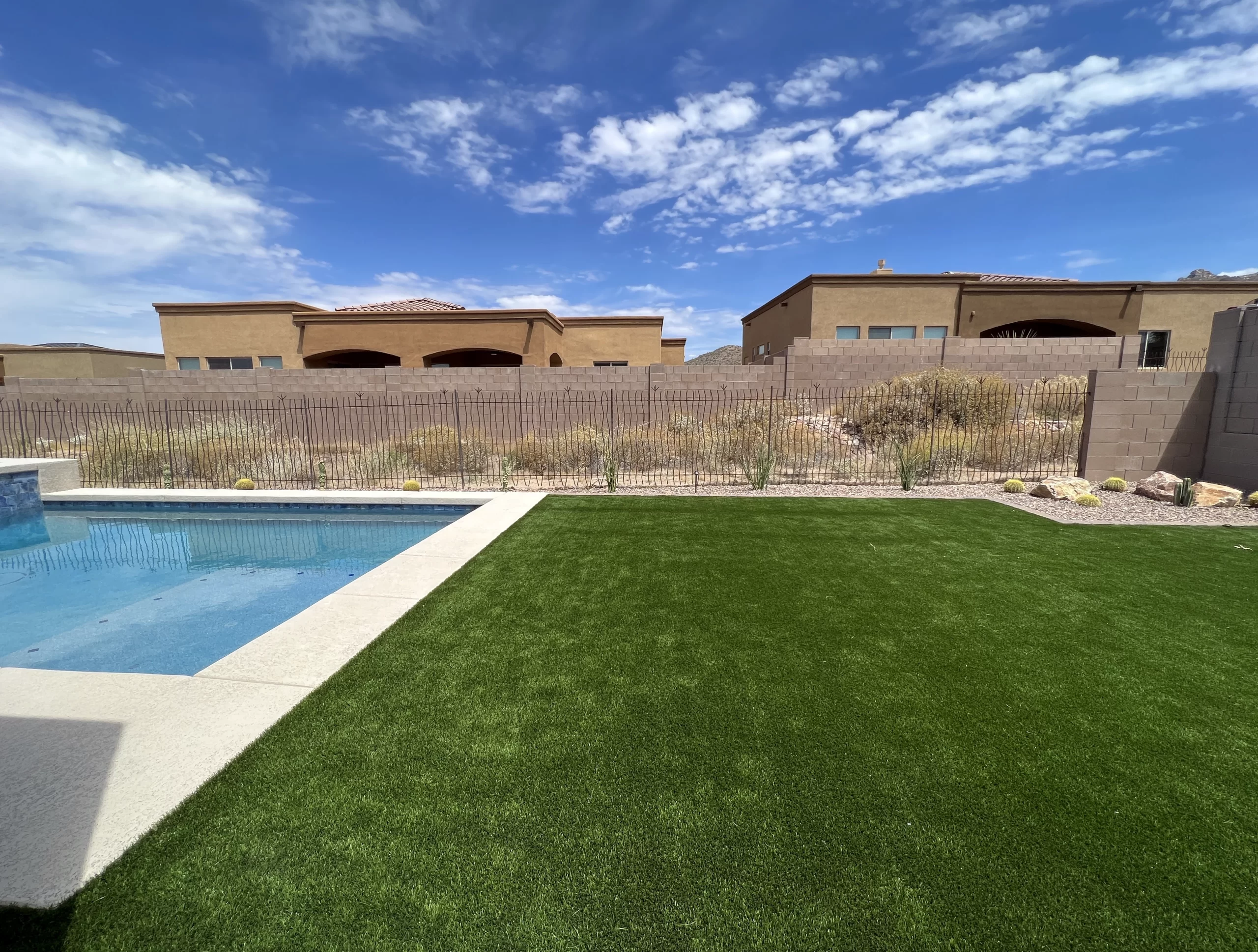
In Tucson and other desert areas, where encounters with rattlesnakes are a common concern, adding snake fencing is an effective and valuable investment for homeowners. Not only does snake fencing provide peace…
In Tucson and other desert areas, where encounters with rattlesnakes are a common concern, adding snake fencing is an effective and valuable investment for homeowners. Not only does snake fencing provide peace of mind, but it also increases property value by making homes safer and more appealing to prospective buyers. With “snake prevention” becoming a top priority for many new homeowners, installing a reliable “rattlesnake fence” can set a property apart in the competitive housing market.
Increasing Home Appeal with Snake Fencing
For potential buyers, properties in desert regions like Tucson come with unique considerations—including proximity to wildlife. Homes equipped with “snake-proof fencing” add an extra layer of security, which is especially attractive to families with children and pets. Effective snake fencing reduces the likelihood of rattlesnakes entering a yard, creating a safer outdoor environment for everyone. Knowing they’re protected from snake encounters, potential buyers are more likely to choose a home that already has preventative measures like “snake fencing” in place.
Long-Term Value Through Snake Prevention
Installing snake fencing is also a cost-effective way to add value over time. With rattlesnakes active throughout the year in desert climates, a well-installed “rattlesnake fence” provides ongoing protection that homeowners can count on. This long-term benefit is a selling point for real estate agents, who can market a property’s snake protection as a unique feature. The investment in snake fencing is modest compared to the value it brings by reducing risks and making outdoor spaces more usable and enjoyable.
Snake Fencing: A Sound Investment for Tucson Homeowners
In areas like Tucson, where snake encounters are part of the landscape, snake fencing is more than just a safety feature—it’s a smart investment that enhances property appeal and value. For tips on maintaining your snake fence, check out our blog on snake fencing.
To learn more about snake-proofing your home, check out the Arizona Fish and Wildlife guide for additional insights into living safely alongside local wildlife. Whether for peace of mind or increased property value, installing snake fencing is a wise decision for desert homeowners.
Apr 05 AwarenessWhich is the Best Season to Install Snake Fencing?
If you live in Tucson, AZ, or the surrounding Sonoran Desert, rattlesnake fencing is an essential feature for keeping your yard safe. But when is the best season to install snake fencing? Considering seasonal …
If you live in Tucson, AZ, or the surrounding Sonoran Desert, rattlesnake fencing is an essential feature for keeping your yard safe. But when is the best season to install snake fencing? Considering seasonal factors, snake behavior, and weather patterns can help you choose the most effective time to protect your property.
Spring and Fall: Prime Time for Rattlesnake Fencing Installation
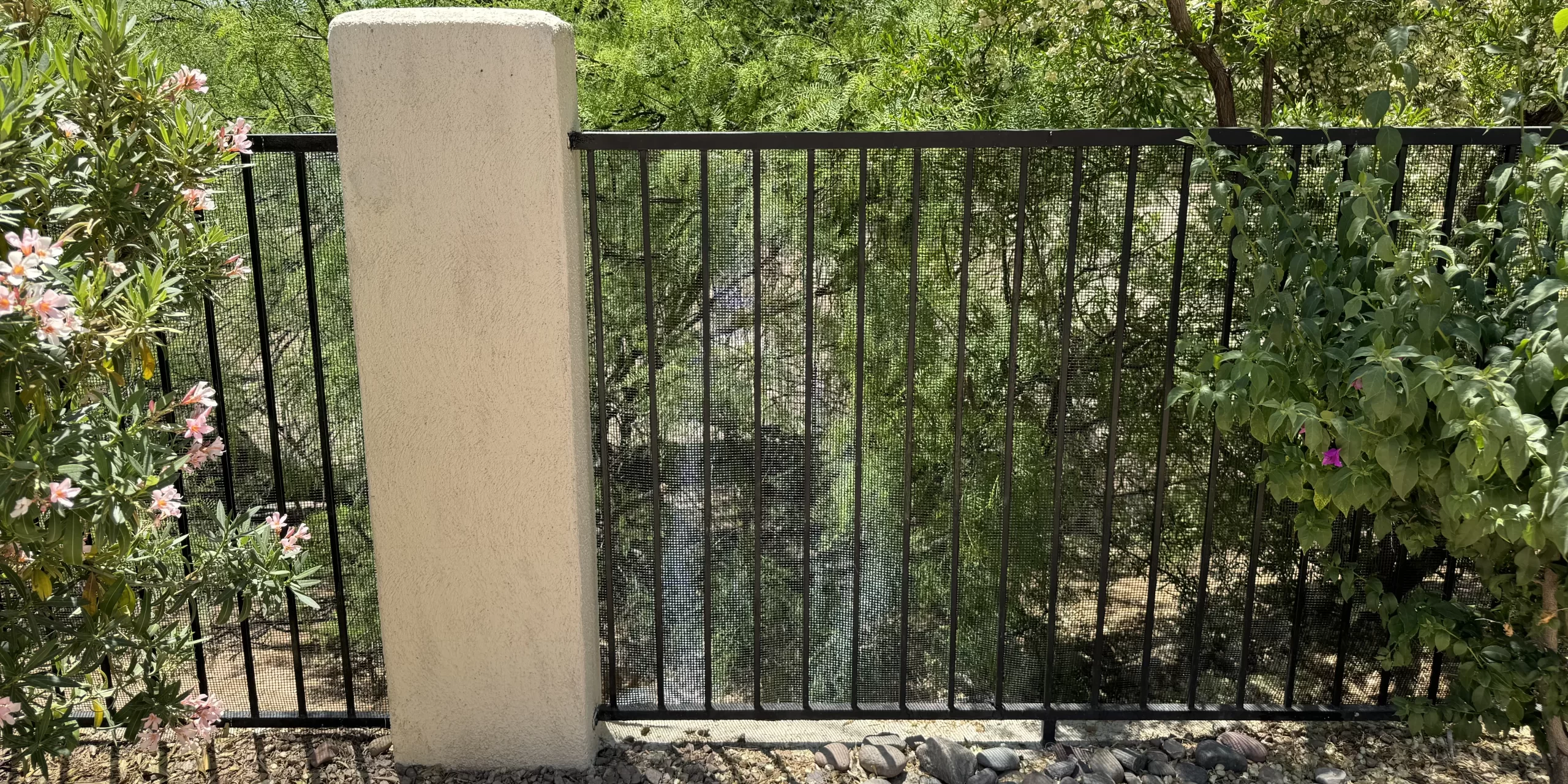
Spring and fall are ideal times for installing rattlesnake fencing. During these seasons, temperatures are milder, making the installation process smoother and less labor-intensive. Spring is also when rattlesnakes become more active after their winter brumation (a period of dormancy). By installing your snake fence early in the spring, you can secure your yard before rattlesnake activity peaks.
Similarly, fall is another great season for installing snake fencing in Tucson. As the weather cools down, snakes prepare to return to their dens for winter. Installing fencing in the fall can prevent rattlesnakes from finding a way into your yard before winter sets in, giving you peace of mind during the colder months.
Why Avoid Summer Installation?
Summer might seem like a convenient time for home improvement projects, but it’s not always the best season for installing rattlesnake fencing. The intense heat in Tucson can make outdoor work more challenging and even dangerous. Additionally, rattlesnakes are highly active during the summer, particularly at dawn and dusk. This increased activity can make it harder for installers to work safely and efficiently.
Winter: A Less Ideal Option
While it’s still possible to install rattlesnake fencing during winter, it may not be the most effective time. Cold weather slows down the curing process for concrete and other materials, which could affect the quality of the installation. Additionally, snakes are less active during the winter months, meaning any gaps in your existing fencing could go unnoticed until they emerge in the spring.
For the best results, consider installing your rattlesnake fencing in Tucson during the spring or fall. These seasons offer favorable weather, fewer safety risks, and allow you to secure your yard when rattlesnake activity is on the rise. Contact RattleGuard to ensure your snake fence is properly designed and installed, keeping your family and pets safe year-round.
Mar 08 AwarenessRattlesnake Season is Coming, How to Get Prepared
Rattlesnakes are a vital part of the ecosystem in the Sonoran Desert, but they can pose a real threat if they find their way into your yard. In Tucson, Arizona, rattlesnakes are most active during the warmer m…
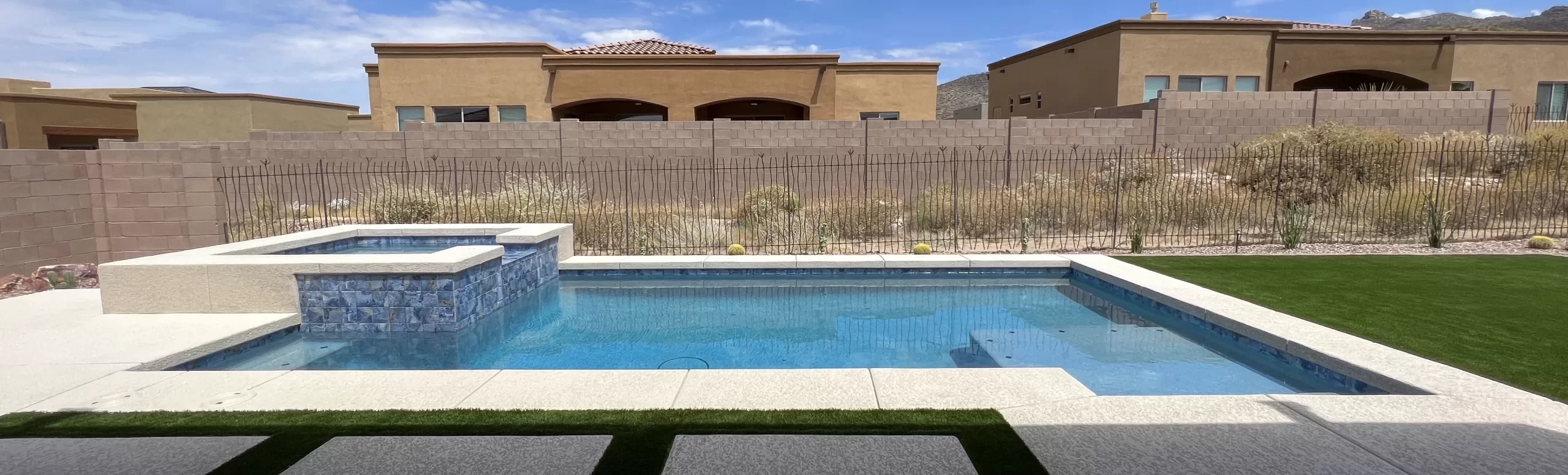
Rattlesnakes are a vital part of the ecosystem in the Sonoran Desert, but they can pose a real threat if they find their way into your yard. In Tucson, Arizona, rattlesnakes are most active during the warmer months of the year, primarily from March through October. During this period, they emerge from their brumation (a state similar to hibernation) to bask in the sun, hunt for food, and search for mates. Knowing when these reptiles are most active can help homeowners take the necessary precautions to keep their families safe from a rattlesnake.
When is a Rattlesnake Most Active?
Rattlesnakes in Tucson become more active as temperatures start to rise in spring, typically around March. They come out of their winter hiding spots to warm up and begin feeding after several months of inactivity. This active period continues throughout summer and into the early fall. During the peak of summer, rattlesnakes often seek shade during the day and are more active in the cooler hours of dawn and dusk, making these times particularly important for caution. By October, as temperatures start to cool, rattlesnakes begin preparing for their brumation period, seeking out secure and secluded spots to wait out the colder months.
Understanding this seasonal behavior is key to knowing when to be most vigilant. From March through October, residents should take extra precautions, especially in areas where children and pets play.
This is also the time when snake sightings and encounters increase, as the reptiles venture further in search of food and water.
The Importance of Regular Snake Fencing Maintenance
One of the best ways to protect your property and loved ones from unwanted rattlesnake encounters is by installing snake fencing. This specialized fencing is designed to keep rattlesnakes out, creating a safe barrier around your yard. However, like any barrier, it only works if it’s properly maintained. Over time, weather conditions, soil erosion, and general wear and tear can create gaps or weaknesses in the fence, providing an entry point for determined snakes.
Regularly checking your snake fencing is essential, especially during peak rattlesnake activity periods. Homeowners should inspect their fencing for any gaps, holes, or areas where the barrier might have been compromised. Pay particular attention to areas where the fence meets the ground, as rattlesnakes can squeeze through surprisingly small spaces. Repair any damages promptly to ensure there are no vulnerabilities.
Stay Safe with Preventative Measures
In addition to maintaining your snake fencing, it’s a good idea to keep your yard clean and free of clutter where snakes might hide. Trim back overgrown vegetation, remove piles of rocks or wood, and ensure there are no easy hiding spots for these reptiles. Simple steps like this, combined with vigilant maintenance of your snake fencing, can significantly reduce the risk of unexpected and dangerous encounters.
To understand more on rattlesnake safety, behavior, or prevention tips, head over to Arizona Game and Fish Department.
This link will provide readers with additional details on how to coexist safely with rattlesnakes and learn more about their behavior.
Ultimately, rattlesnakes are an important part of the desert ecosystem, and while they can be dangerous, most incidents can be avoided with a little preparation. By understanding their seasonal activity patterns and ensuring your property is well-protected with sturdy, well-maintained snake fencing, you can enjoy the beauty of the Sonoran Desert without the worry of unwanted surprises.
Mar 01 AwarenessHow Snake Fencing Can Improve Your Quality of Life
The Importance of Snake Fencing The inclusion of snake fencing in new developments should be a top priority, particularly in areas like Tucson, where the risk of encountering rattlesnakes and other wildlife is…
The Importance of Snake Fencing
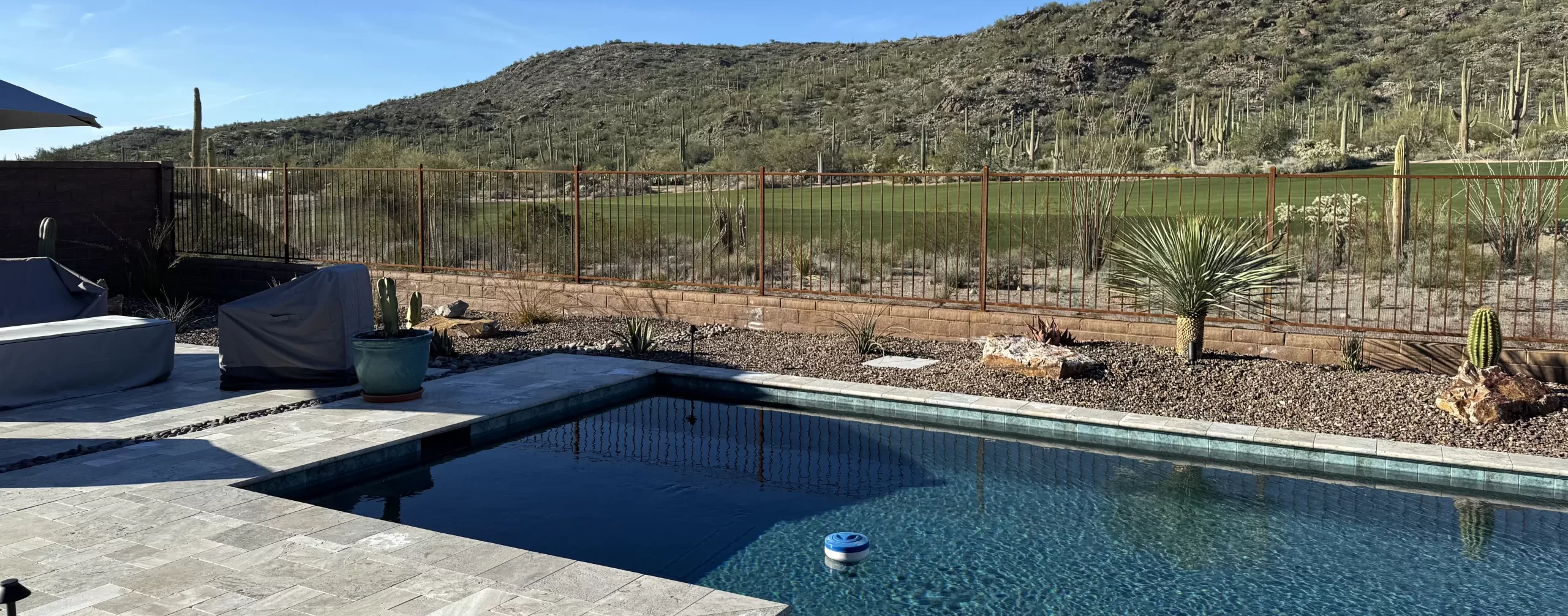
The inclusion of snake fencing in new developments should be a top priority, particularly in areas like Tucson, where the risk of encountering rattlesnakes and other wildlife is high. Snake fencing not only provides peace of mind to residents but also promotes the safety of both humans and animals. It reduces the likelihood of dangerous confrontations, allowing wildlife to remain in its natural habitat while protecting homeowners from unwanted visits.
In addition, snake fencing is a long-term investment that increases the safety and appeal of a community. Homebuyers moving to the area, especially those unfamiliar with the Sonoran Desert, are often unaware of the dangers posed by local wildlife. By incorporating snake fencing into development plans, builders can create a safer living environment and help preserve the delicate balance between human expansion and wildlife conservation.
The Absence of Snake Fencing
Despite the clear presence of wildlife, most newly constructed housing communities fail to include snake fencing as part of their development plans. This is a significant oversight, as snake fencing is a relatively simple and effective way to prevent snakes from entering residential areas. Snake fencing is designed to keep snakes from entering yards or homes by creating a barrier that they cannot climb or slither under. Without this protection, homeowners are left vulnerable to potential snake encounters, especially in neighborhoods that are built near natural desert landscapes.
Displacement of Wildlife
As Tucson continues to grow, new housing developments are sprouting up across the Sonoran Desert, bringing much-needed housing to the area. However, these developments are increasingly encroaching on the natural habitats of local wildlife. The impact of this expansion is significant, particularly for animals like snakes, lizards, birds, and other desert creatures that call this region home. While the construction of new homes may seem like a symbol of progress, it often comes at a cost to the local ecosystem.
Newly built communities are disrupting wildlife habitats, leading to the displacement of many animals. With more land cleared for development, the natural environment that once sustained various species is either destroyed or drastically altered. In particular, snakes, which play a crucial role in the desert ecosystem by controlling rodent populations, are often forced to seek refuge in human-inhabited areas.
This displacement can lead to unintended encounters between homeowners and wildlife, which can be dangerous. Rattlesnakes, common in the Sonoran Desert, are often found slithering into backyards, gardens, and even inside homes in search of food and shelter. These encounters are not only stressful for residents but can also result in harm to both humans and animals.
For more information on the importance of wildlife-friendly development practices, visit the Sonoran Institute.
By advocating for the inclusion of snake fencing in newly built communities, we can protect both residents and the local ecosystem, ensuring that Tucson’s growth is sustainable for all.
Feb 02 AwarenessHow to Enhance Wildlife Movement with Snake Fencing
When it comes to protecting residential properties from unwanted wildlife, particularly snakes, fencing is a popular solution. However, the debate surrounding the safety of different types of fencing, especial…
When it comes to protecting residential properties from unwanted wildlife, particularly snakes, fencing is a popular solution. However, the debate surrounding the safety of different types of fencing, especially residential snake fencing versus wire fencing in the broader context of wildlife impact, is increasingly important.
Residential Snake Fencing
Snake fencing is a solution designed specifically to keep snakes out of yards and homes. Typically, this fencing consists of fine mesh that is installed close to the ground and around the perimeter of a property, preventing snakes from squeezing through gaps or climbing over. In Tucson and other regions where venomous snakes are prevalent, such fences provide peace of mind for homeowners, particularly those with pets or children.
The primary safety advantage of snake fencing is its effectiveness at addressing a specific problem: keeping dangerous snakes away from homes. Unlike other types of fencing, the small mesh size used in snake fencing makes it impossible for most snakes, including species like rattlesnakes, to enter a yard. Since these fences are designed to contain or exclude only a targeted group of animals, they are generally seen as beneficial from a residential safety perspective.
Wire Fencing Controversy
On the other hand, wire fencing, while often used for general boundary control, is at the center of a larger debate about its environmental and wildlife impacts. As highlighted in the article from the Sonoran Desert’s Desert Fence Busters project, wire fences, such as barbed wire or woven wire fencing, can be problematic for wildlife. These fences are commonly used for livestock control or property demarcation but create significant hazards for wildlife such as deer, coyotes, and other animals. They can become entangled in these fences or be forced to navigate around them, which disrupts natural migratory patterns and can cause injuries or fatalities.
This controversy extends to the broader implications of fencing in desert landscapes. While residential snake fencing is a targeted, more humane solution for specific hazards, wire fencing presents a more complex challenge. The issue is not simply about safety for humans but also about the safety and mobility of native wildlife, which plays an essential role in maintaining ecological balance.
Conclusion
Both snake fencing and wire fencing serve different purposes, and their safety must be evaluated based on the context in which they are used. Snake fencing enhances human safety by keeping potentially dangerous animals out, while wire fencing poses significant risks to wildlife, raising concerns about ethical and environmental impacts. Balancing safety for humans and wildlife is key to making informed fencing decisions.
Jan 19 AwarenessHow to Safeguard Tucson’s Wildlife, One Snake Fence at a Time
The Sonoran Desert is one of the most biodiverse deserts in the world, hosting over 120 species of mammals, 250 bird species, and an array of reptiles, amphibians, and invertebrates. This ecosystem, spanning t…
The Sonoran Desert is one of the most biodiverse deserts in the world, hosting over 120 species of mammals, 250 bird species, and an array of reptiles, amphibians, and invertebrates. This ecosystem, spanning the southwestern United States and northern Mexico, is home to iconic species like the desert tortoise, bobcat, javelina, and Gila monster. The desert’s wildlife has adapted to extreme conditions, exhibiting unique behaviors such as nocturnal activity to avoid the intense daytime heat. So what does snake fence have to do with this?
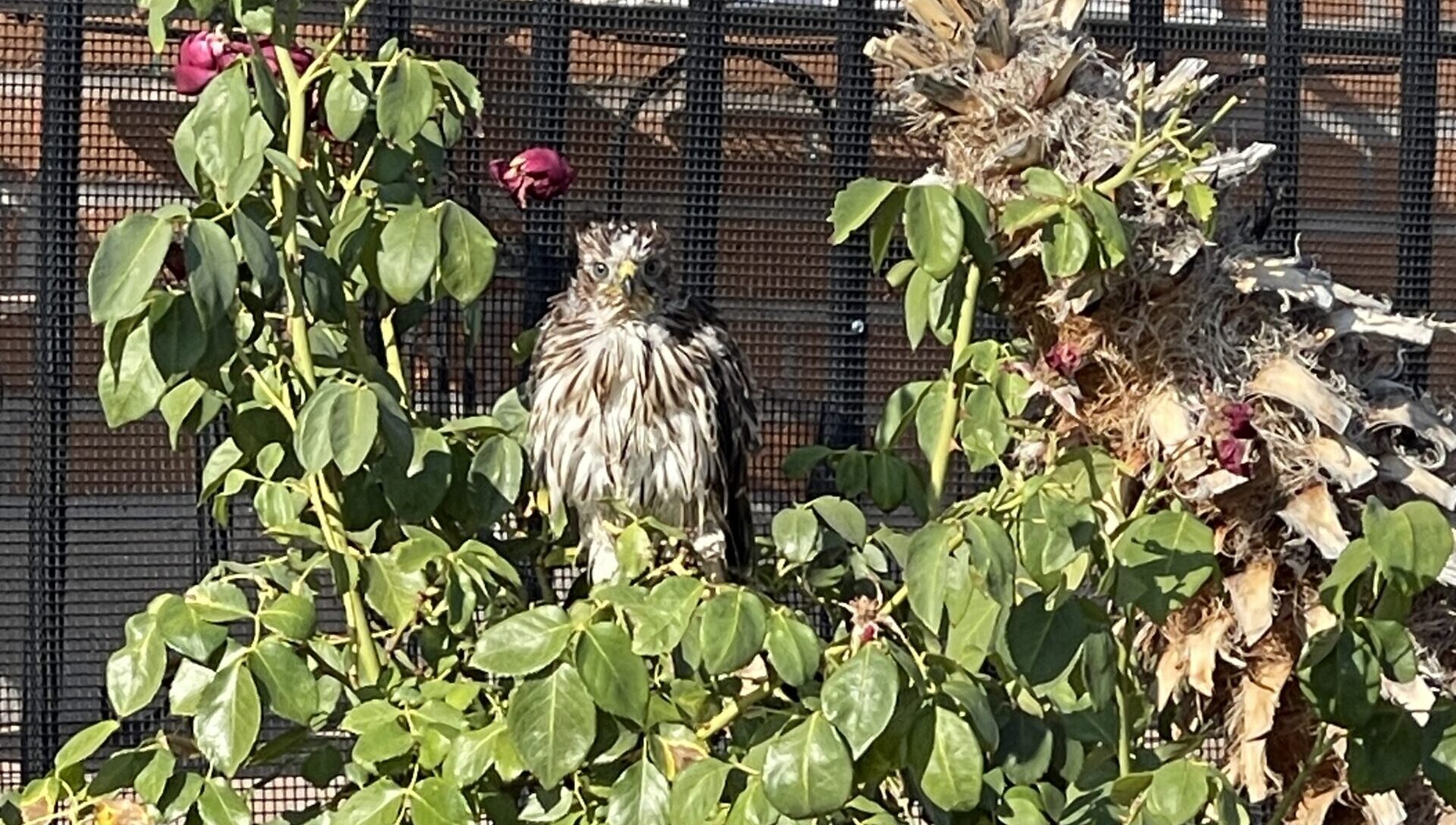
Snake fence is a practical solution to mitigate human-wildlife conflict while preserving desert habitats. As development encroaches on natural areas, snakes often wander into residential properties, leading to potentially harmful interactions. Snake fence prevents species such as rattlesnakes from entering human spaces, reducing the need for lethal control measures. This simple barrier helps protect not only humans and pets but also snakes, which play a crucial role in maintaining the balance of the desert ecosystem. As predators, they help control populations of rodents and other small animals.
Human activities, including urban expansion, agriculture, and infrastructure development, have fragmented this habitat, putting pressure on wildlife populations. Conservation efforts in the region, such as those spearheaded by groups like the Friends of the Sonoran Desert, focus on protecting critical wildlife corridors and habitats to ensure species survival.
Incorporating snake fencing into conservation strategies protects both wildlife and humans, allowing these species to continue their essential ecological roles while minimizing conflict. It’s a win-win for both species preservation and safety in the rapidly developing regions of the Sonoran Desert.
To learn more about how these barriers work, click here.
Jan 12 AwarenessHow to Protect Your Loved Ones with Snake Fencing
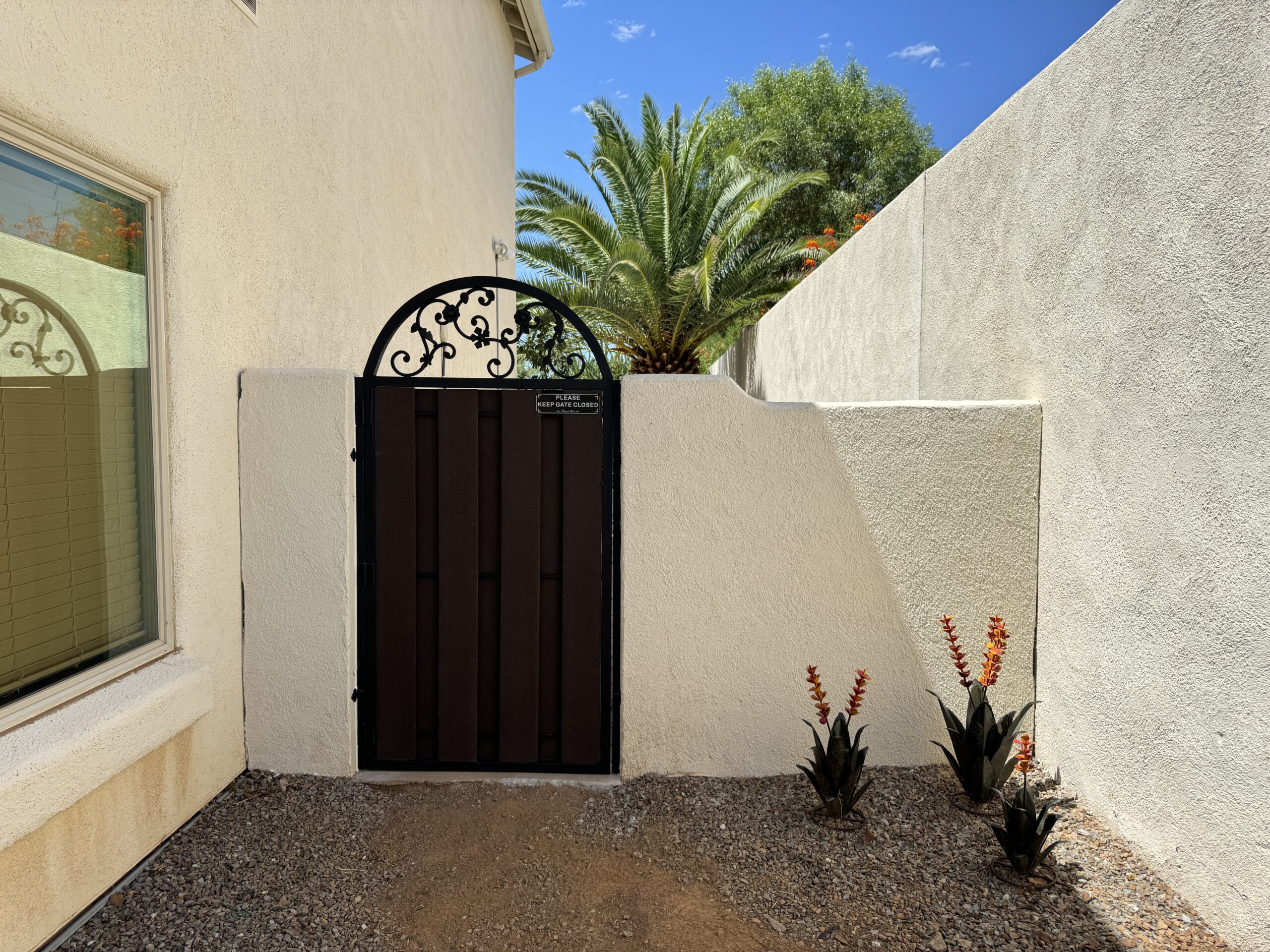
Proactive and Humane Solutions for Tucson In Tucson, Arizona, snake encounters are a part of life. Our beautiful desert landscape is home to a variety of wildlife. This includes several species of snakes, some…
Proactive and Humane Solutions for Tucson
In Tucson, Arizona, snake encounters are a part of life. Our beautiful desert landscape is home to a variety of wildlife. This includes several species of snakes, some of which are venomous. While snakes play an important role in the ecosystem helping control rodent populations, they can pose a serious threat to our homes, pets, and families. This is why we take snake fencing seriously—it’s not just about safety, but also about preserving the delicate balance between humans and wildlife.
Snake fencing is a proactive and humane solution to prevent encounters. A well-installed fence acts as a barrier that reduces the chance of a snake entering your property. It gives you peace of mind, especially if you have children or pets. Many homeowners think they won’t need such a fence until it’s too late—after a close call or, worse, a bite incident.
But it’s not just about prevention. Snake fencing also respects the natural behavior of these animals. By keeping snakes out of residential areas, it reduces the likelihood of them being harmed by humans or getting caught in traps. This minimizes unnecessary harm to both people and the snakes themselves.
We take snake fencing seriously. It offers a long-term solution to a recurring issue. Properly installed fences, typically made from mesh with small enough holes to prevent snakes from slipping through, can last for years and drastically reduce the risk of an encounter. It’s an investment in your safety and in the well-being of local wildlife.
Protecting your property, loved ones, and Tucson’s natural environment requires this thoughtful, preventive approach. It ensures everyone can coexist safely.
For a detailed look into the behavior and conservation of wildlife in the Sonoran Desert, the Friends of the Sonoran Desert offers excellent resources. They focus on species conservation, habitat protection, and public education about the desert’s biodiversity. Their website provides information on various animal species native to the region and the conservation challenges they face.
Jan 05 AwarenessThe Tucson Snake Fencing Success Stories You Need to Hear!
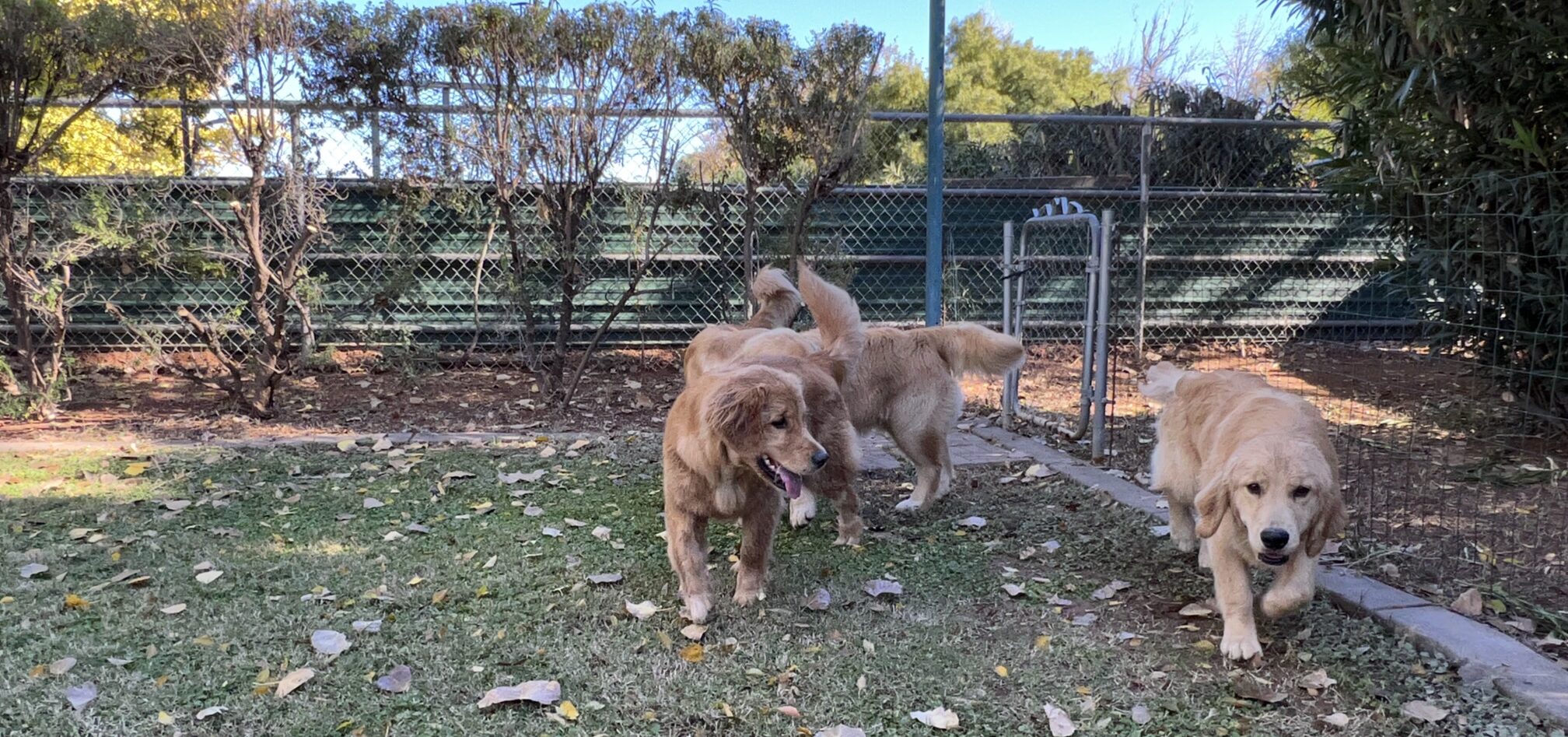
Tucson’s desert landscape is home to a variety of wildlife, including rattlesnakes, which pose a serious threat to pets. Snake fencing, a barrier designed to keep snakes out of your yard, has become a popular …
Tucson’s desert landscape is home to a variety of wildlife, including rattlesnakes, which pose a serious threat to pets. Snake fencing, a barrier designed to keep snakes out of your yard, has become a popular solution for pet owners looking to protect their furry friends. But how effective is it? Let’s look at real-life experiences from Tucson homeowners who have successfully protected their pets with snake fencing.
One local Tucson resident, Sara, shared her story about her two dogs, Max and Bella. “We live near the foothills, and rattlesnakes are common here. After hearing horror stories from neighbors, we installed snake fencing around our property. It’s been over two years, and we’ve had zero snake encounters. Before the fence, I was constantly worried during their outdoor playtime.”
Similarly, another homeowner, Mark, installed snake fencing after a terrifying close call with a rattlesnake in his backyard. “My dog was inches away from a snake when I found it. That was the last straw. I installed snake fencing the next week. Since then, I haven’t seen a single snake in my yard. I can let my dog roam freely now without constantly worrying.”
These stories highlight the effectiveness of snake fencing in Tucson’s desert environment. Pet owners who invest in this protective measure report fewer encounters with snakes and greater peace of mind.
If you live in snake-prone areas like Tucson, snake fencing can be a valuable investment to protect your pets. To learn more about how snake fencing works and its benefits, check out our detailed guide here.
Ensure your pets’ safety and enjoy peace of mind by keeping unwanted reptiles out of your yard!
2019
Dec 28 AwarenessGopher Snake VS Rattlesnake – How to Tell the Difference

The Western Diamondback Rattlesnake (Crotalus atrox) and the Gopher Snake (Pituophis catenifer) are often confused due to their similar appearances. However, understanding the key differences between them can …
Nov 27 AwarenessHow to Keep Those Local Critters Out of my Habitat
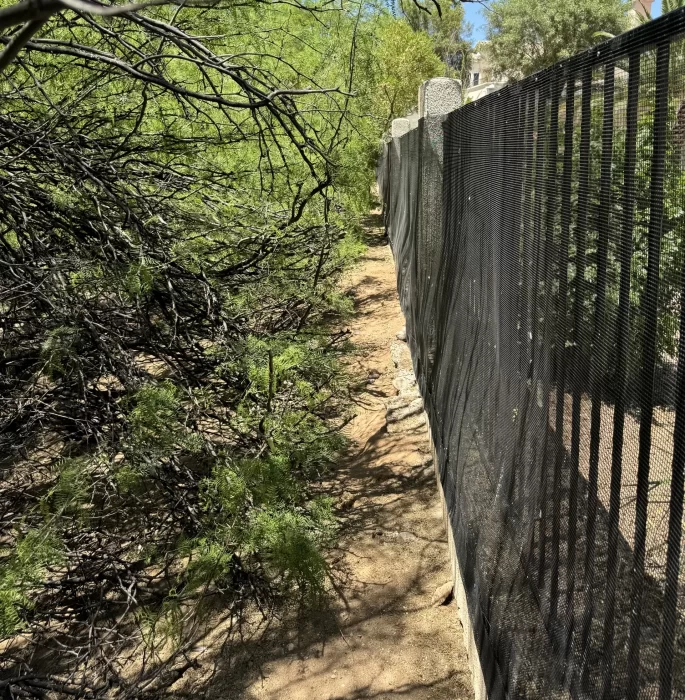
Tucson, Arizona, is a vibrant city known for its unique blend of desert landscapes and urban living. However, as urban development has expanded over the years, it has led to significant displacement of local w…
Tucson, Arizona, is a vibrant city known for its unique blend of desert landscapes and urban living. However, as urban development has expanded over the years, it has led to significant displacement of local wildlife, including reptiles such as rattlesnakes, Gila monsters, and a variety of mammals like coyotes, bobcats, and javelinas. These animals have long been part of the desert ecosystem, but as their habitat shrink, they often venture into residential areas in search of food, water, and shelter.
This increased human-wildlife interaction can pose risks to both animals and people. For homeowners in Tucson, keeping their homes safe while preserving the integrity of local habitats is essential. Simple measures like securing trash cans, eliminating outdoor food sources, and installing snake fencing can reduce the likelihood of wildlife encounters. It’s also beneficial to educate yourself about the species in the area and to be cautious when hiking or gardening, as reptiles like rattlesnakes may hide in shaded or rocky areas.
At the same time, it’s important to protect the natural habitats that remain. Encouraging native plant growth and creating wildlife corridors can help animals move safely between natural spaces. This helps reduce the stress on displaced wildlife and minimizes potentially dangerous encounters.
Local conservation organizations are working to find sustainable ways to manage urban development and preserve the delicate balance between human needs and wildlife protection. For more tips on coexisting with wildlife and safeguarding both your property and the local ecosystem, check out the resources provided by Pima County here.
By taking thoughtful precautions and respecting the natural environment, Tucson residents can enjoy the beauty of desert wildlife while ensuring both their safety and the wellbeing of the animals they share the land with.
Nov 26 AwarenessWhy Snake Fencing is Essential for New Homes in Tucson, AZ
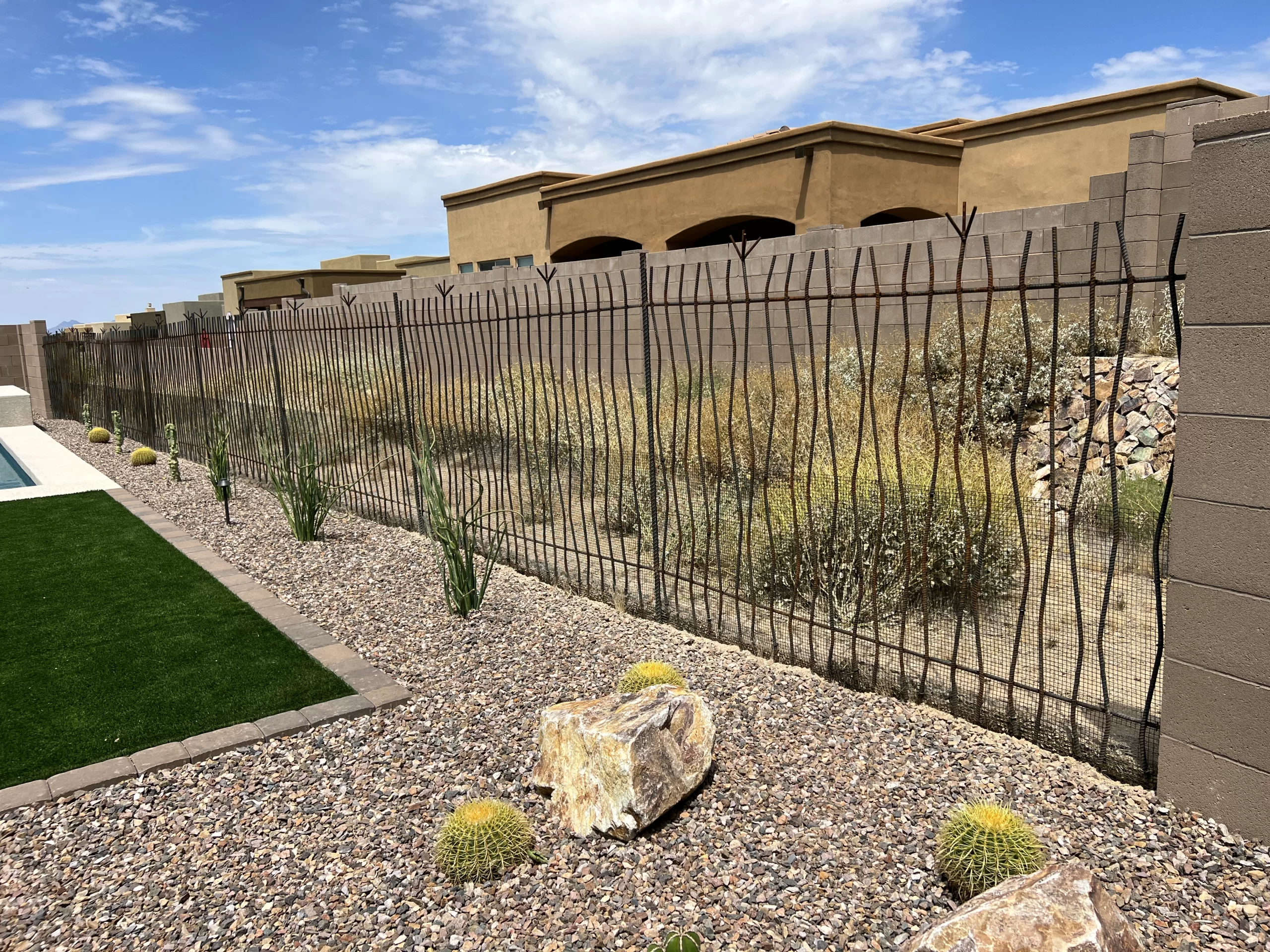
Moving into a new home in Tucson, AZ, means more than just unpacking boxes and decorating your space. With the city’s warm climate, arid environment, and natural wildlife, it’s important for new homeowners to …
Moving into a new home in Tucson, AZ, means more than just unpacking boxes and decorating your space. With the city’s warm climate, arid environment, and natural wildlife, it’s important for new homeowners to consider the safety and security of their property—especially when it comes to keeping unwanted visitors, like snakes, away. Snake fencing is a crucial measure for protecting your family and pets from the potential hazards of desert-dwelling species.
Tucson is home to various species of rattlesnakes and other reptiles, which can sometimes make their way into backyards in search of food, water, or shelter. Snake fencing is designed to prevent these creatures from slithering into your yard by creating a physical barrier. Typically made of materials like galvanized steel or hardware cloth, snake fencing should be at least 2 to 3 feet high, with the bottom buried a few inches into the ground to stop snakes from burrowing underneath.
For new homeowners in Tucson, it’s essential to inspect their backyard for potential snake attractants and entry points. Here are some things to look for:
- Debris & Vegetation: Overgrown shrubs, piles of rocks, or wood can serve as hiding spots for snakes.
- Open Gaps: Check for gaps in fencing, gates, or around walls where snakes could enter.
- Water Sources: While it’s important to have water around your property, standing water can attract snakes looking for hydration.
- Wildlife: If you have a lot of rodents, such as mice or rabbits, they can attract snakes, so controlling pest populations is key.
By taking these steps and installing snake fencing, homeowners can significantly reduce the risk of unwanted encounters and enjoy their new home with peace of mind.
Learn more about the importance of snake protection in Tucson on the Arizona Game and Fish website.